A Korean ballad where the hardest truth is admitting the feeling has already gone.
Most love songs try to fix or mourn the loss.
This one just names the change and sits with the emptiness it leaves behind.
A Korean ballad where the hardest truth is admitting the feeling has already gone.
A Korean ballad where the hardest truth is admitting the feeling has already gone.
Most love songs try to fix or mourn the loss.
This one just names the change and sits with the emptiness it leaves behind.
A Korean ballad where the hardest truth is admitting the feeling has already gone.
Tell me this is how we feel
Most love songs try to fix or mourn the loss. This one just names the change and sits with the emptiness it leaves behind. The repetition of "Tell me this is how we feel" becomes a plea for shared honesty, not reconciliation.
The phrase "gaseumsogi dapdaphejyo", that heart feeling heavy, does the real work here. It's not dramatic pain, just the dull weight of something being over. The song keeps asking for confirmation of that heaviness instead of pretending it might lift.
It's a request, not a statement. The whole song hinges on needing someone else to acknowledge the shift before you can even start to move on.
The way the Korean phrases like "dapdaphejyo" and the English "Baby can't be no more" sit together gives the resignation a raw, bilingual ache.
LyroVerse editor's notes are interpretation guides, not final truth. Read our Editorial policy, Corrections policy, and Methodology to see how public reference pages are maintained.
Use this page for the lyric text, linked artist context, and any LyroVerse editor's note attached to the song. Listener comments remain user-generated and should not be treated as the primary source.
The lyric stays readable and compact here; the note and related paths sit nearby so you do not lose the song while looking for context.
Mundeuk euimugame jonhwahe bojiman
Sasil nan gunggeum hajineun anasso
Hanobsi balgeun nodo cham isanghe
Charari soljikhage marhebwa
Tell me urin dareuji ana
I will say it
Don''t say you understand
Mianhe injonghaji mothe
Baby can''t be no more
Tell me this is how we feel
Fyolguk byonhan gojana
Chehan deut gaseumsogi dapdaphejyo
Ibyeol han madie
Yojeum jaju bappa ssaul iropdago
Usojun non ajik gomapjiman
Charari sirojyo ramyon ihehe
Hwaksilhan iyurado itjana
Tell me nodo dareuji ana
I will say it
Don''t say you understand
Mianhe yegihajin mothe
Baby can''t be no more
Tell me this is how we feel
Uri byonhan gojana
Han sungan gaseumsogi dapdaphejyo
Ibyeol han madie
Tell me this is how we feel
Sarangi byonhan gojana
Chehan deut gaseumsogi dapdaphejyo
Ibyeol han madie
Uriga byonhangol imi arasso
Sumgimyo boiji ankil baresso
Sigani hegyorhe jugil baresso
Hajiman gyolgugen bada deullyosso
Tell me this is how we feel
Yri byonhan gojana
Han sungan gaseumsogi dapdaphejyo
Ibyeol han madie
Tell me this is how we feel
Sarangi byonhan gojana
Chehan deut gaseumsogi dapdaphejyo
Ibyeol han madie
A Korean ballad where the hardest truth is admitting the feeling has already gone. Most love songs try to fix or mourn the loss. This one just names the change and sits with the emptiness it leaves behind.
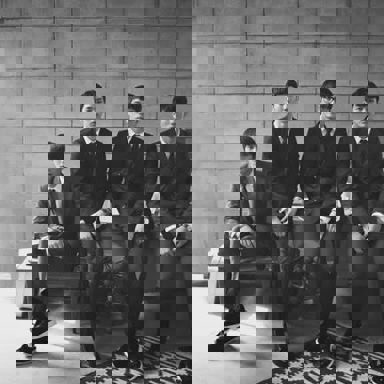
2AM performs "We Changed", and this lyric page sits inside the 2AM catalog on LyroVerse.
Yes. The page carries the LyroVerse editor's note "2AM's We Changed and the weight of goodbye", followed by the full lyric and related songs.
Yes. The related section below points to Never Let You Go and Always Me with a short reason for opening each page next.
Use the artist link near the top of the page or the related paths section below to keep moving through 2AM's lyric pages.
Interpretations, questions, memories, and correction notes live together here. The room stays noindex while the best insights are reviewed.
No listener comments on We Changed yet.
We only count reactions from signed-in listeners so the scores stay clean and trustworthy.
A strong comment here is specific: the phrase you keep hearing, the mood you come back for, or the reason this song stays in rotation.
Sign in to post the first listener note. Reporting stays open to everyone.