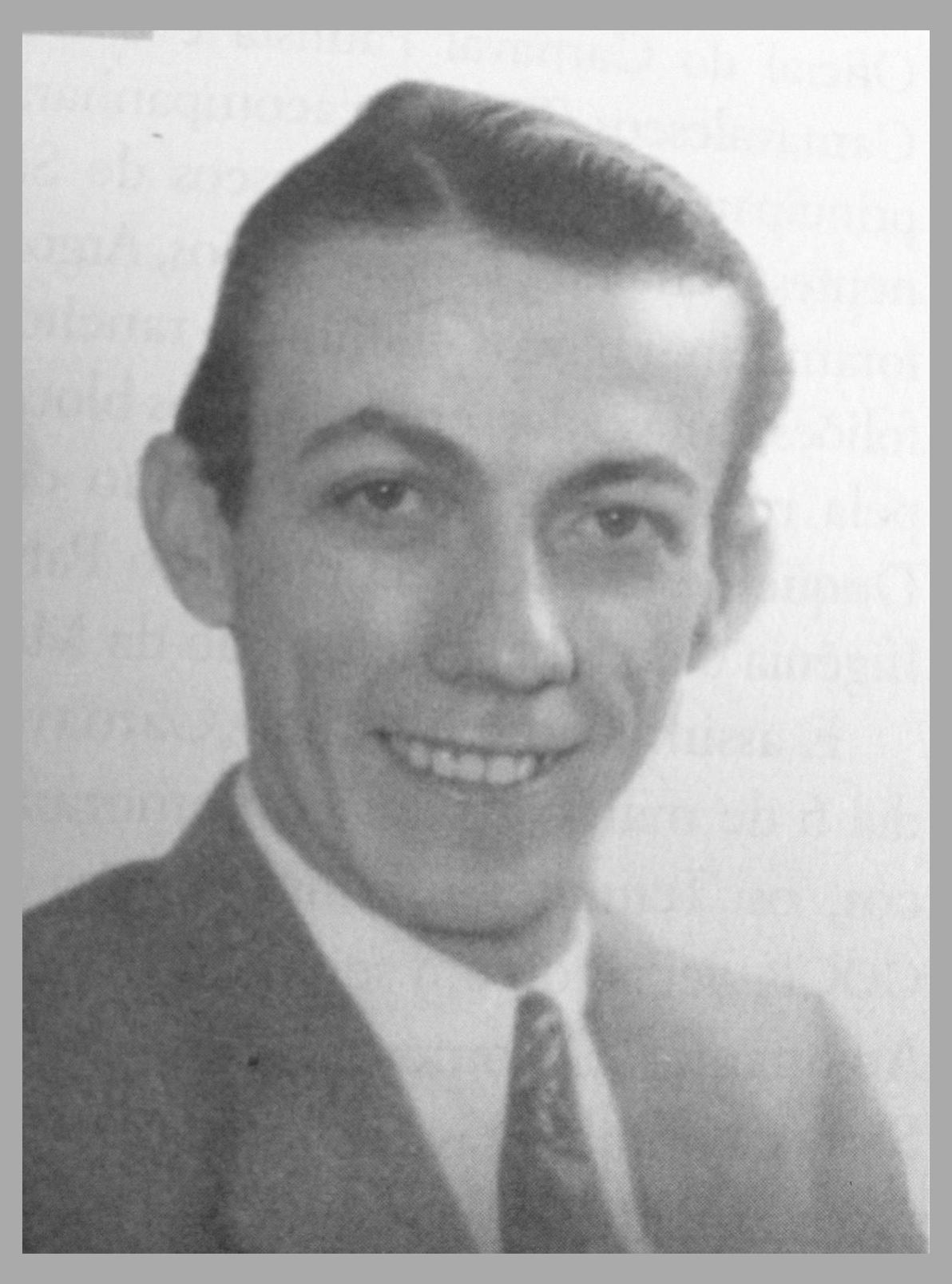


His songs sketched the city's working-class life with humor and a local accent.
For the full picture, start with 'Saudosa Maloca' and 'Trem das Onze.' They frame his world in a couple of chords and a handful of plain words.
Barbosa's lyrics came straight from the streets he walked, giving voice to São Paulo's everyday struggles and small joys. A song like 'Saudosa Maloca' turns a demolished shack into a shared memory, while his radio hits captured the city's rhythm without smoothing its edges. He wrote what he saw, and that plain honesty made his work part of the city's own soundtrack.
He started out performing in bars and on radio in the 1930s, his songs shaped by what he heard as a street vendor. Later collaborations, like the one with Oswaldo Moles that produced 'Trem das Onze,' sharpened his focus on the city's late-night commutes and crowded neighborhoods. He kept performing with groups into the 1940s, his voice staying rooted in the same streets.
LyroVerse editor's notes are short interpretation guides, not final verdicts. Read our Editorial policy, Corrections policy, and Methodology for the rules behind public reference pages.



Keep it compact: a lyric you come back to, a live memory, or the part of the catalog you would point someone toward first.
Sign in to post the first listener note. Reporting stays open to everyone.