
Page type: artist reference
Canonical path: /afroreggae
Lyric pages live: 24
Photos available: 2
Video embedded: yes

1 / 2
Artist profile
Afroreggae
Afroreggae formed in Rio de Janeiro's favelas in 1993, started by José Júnior from the Rocinha community. The collective used music as a way to bring people...
person
Curated by Ethan Walker
LyroVerse team
Start here
The pages that open this catalog up fastest
These picks surface the stronger lyric pages first instead of dropping you into one endless list.
A aquarela dela
Video on page · 1 visits
arrow_forward
A parada é outra
Video on page · 1 visits
arrow_forward
Benedito
Video on page · 1 visits
arrow_forward
Capa de Revista
Video on page · 1 visits
arrow_forward
Coisa de Negão
Video on page · 1 visits
arrow_forward
Conflitos Urbanos
Video on page · 1 visits
arrow_forward
Artist at a glance
The fast read
24 lyric pages live
2 photos available
Video on page
Reference snapshot
The facts this page is built to carry clearly
Use this page as the public reference for the artist summary, linked lyric pages, and any LyroVerse editor's note on the page. Listener comments remain user-generated context.
Photos
Open gallery
Visual archive
Real photos only. No placeholder gallery promo.
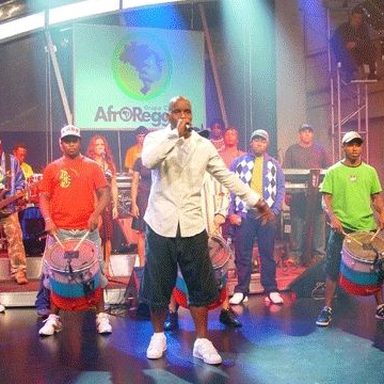
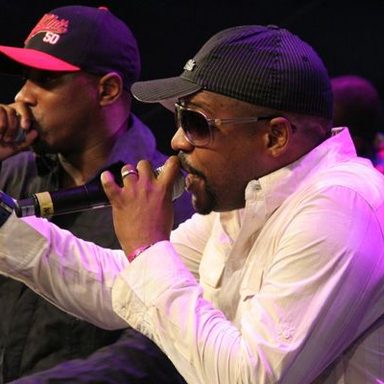
Songs in focus
Keep moving through Afroreggae
A aquarela dela
Video on page · 1 visits
arrow_forward
A parada é outra
Video on page · 1 visits
arrow_forward
Benedito
Video on page · 1 visits
arrow_forward
Capa de Revista
Video on page · 1 visits
arrow_forward
Coisa de Negão
Video on page · 1 visits
arrow_forward
Conflitos Urbanos
Video on page · 1 visits
arrow_forward
Haiti
Video on page · 1 visits
arrow_forward
Hino do Abadá / Tem que ter moral
Video on page · 1 visits
arrow_forward
Hunidade
Video on page · 1 visits
arrow_forward
Iguais Sobrepondo Iguais
Video on page · 1 visits
arrow_forward
Mais uma chance
Video on page · 1 visits
arrow_forward
Me Espere
Video on page · 1 visits
arrow_forward
Mesmo Assim
Video on page · 1 visits
arrow_forward
Meus Telefonemas
Video on page · 1 visits
arrow_forward
Mosca Na Sopa
Video on page · 1 visits
arrow_forward
Nenhum Motivo Explica a Guerra
Video on page · 1 visits
arrow_forward
Background notes
Archive material and source history
Afroreggae formed in Rio de Janeiro's favelas in 1993, started by José Júnior from the Rocinha community. The collective used music as a way to bring people together in neighborhoods that often faced neglect and violence. Their songs like 'Coisa de Negão' and 'Nenhum Motivo Explica a Guerra' mixed samba, reggae, and hip-hop rhythms while talking plainly about everyday struggles.
Their performances became community events more than just concerts, with percussion and dance creating spaces where favela residents could gather. The music addressed things like poverty and police treatment without softening the language, which sometimes put them at odds with authorities. They kept playing anyway, releasing tracks such as 'Mosca Na Sopa' and 'Me Espere' that circulated through the neighborhoods.
What started as a local project grew into something people outside the favelas began to notice, though they never really left that grassroots feel. The work was always more about the collective action than any single musician's career, with members coming together around the percussion and the message rather than chasing commercial polish.
Quick answers
What this artist page can answer fast
Where should I start with Afroreggae on LyroVerse?
The Start here section opens with A aquarela dela, A parada é outra, and Benedito so you can move through the artist's stronger lyric pages first.
How many lyric pages are live for Afroreggae?
LyroVerse currently has 24 visible lyric pages for Afroreggae.
Does Afroreggae have photos on LyroVerse?
Yes. There are 2 photos available, and the preview gallery on this page links to the full photos section.
Artist Community
Open artist hub
Not just lyrics. The conversation around them.
Follow the artist, compare interpretations across songs, and leave corrections that help the catalog stay sharp.
Listener comments
What people are saying
No listener comments on Afroreggae yet.
Keep it compact: a lyric you come back to, a live memory, or the part of the catalog you would point someone toward first.
Sign in to post the first listener note. Reporting stays open to everyone.