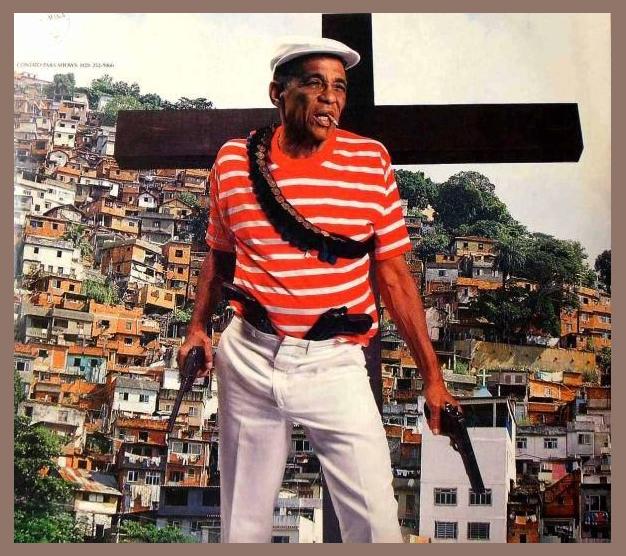


A Brazilian sambista who chronicled working-class life with unflinching honesty.
For his signature mix of samba rhythms and streetwise narration, try 'Sua Cabeça Não Passa Na Porta' or 'O Pinel.' They show exactly what he did best.
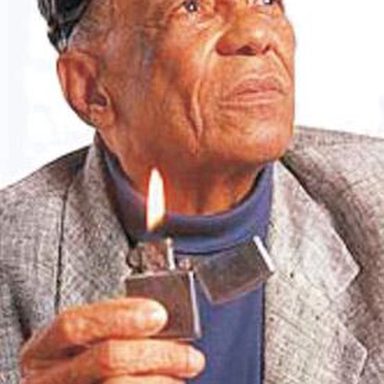
Bezerra da Silva gave voice to neighborhoods and struggles that mainstream Brazilian music often ignored. His 1970 album 'Malandro é Malandro e Mané é Mané' broke through with songs like 'A Semente' and 'Bicho Feroz' that spoke plainly about poverty and addiction. He kept that same raw, conversational style for decades, never softening his approach even when authorities saw him as a troublemaker.
He started playing guitar and writing songs in the 1940s, drawing from what he saw in his poor Rio neighborhood. Record labels initially passed on his music as too raw, so he performed in local bars until his 1970 album brought national attention. He kept recording through the decades with tracks like 'Malandragem Dá Um Tempo' and 'Garoa,' always staying grounded in the same street-level perspective.
LyroVerse editor's notes are short interpretation guides, not final verdicts. Read our Editorial policy, Corrections policy, and Methodology for the rules behind public reference pages.

Keep it compact: a lyric you come back to, a live memory, or the part of the catalog you would point someone toward first.
Sign in to post the first listener note. Reporting stays open to everyone.