Page type: artist reference
Canonical path: /canario-e-passarinho
Lyric pages live: 173
Photos available: 1
Video embedded: yes
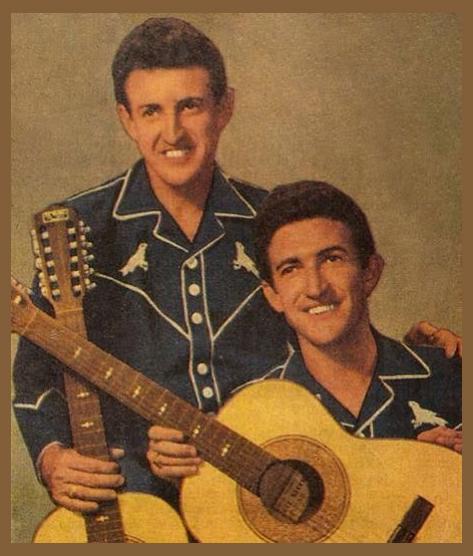
Artist profile
Canário e Passarinho
Canário e Passarinho were a Brazilian duo from Salvador, Bahia, formed in the mid-1950s. José Ferreira Lessa (Canário) and Lourival Batista da Silva...
person
Curated by Ethan Walker
LyroVerse team
Start here
The pages that open this catalog up fastest
These picks surface the stronger lyric pages first instead of dropping you into one endless list.
Querem Saber
Video on page · 16 visits
arrow_forward
Baixinha e Gordinha
Video on page · 15 visits
arrow_forward
Sentimento e Boemia
Video on page · 15 visits
arrow_forward
Romaria Trágica
Video on page · 14 visits
arrow_forward
Chofer de Estrada
Video on page · 13 visits
arrow_forward
Lenço Branco
Video on page · 13 visits
arrow_forward
Artist at a glance
The fast read
173 lyric pages live
1 photo available
Video on page
Reference snapshot
The facts this page is built to carry clearly
Use this page as the public reference for the artist summary, linked lyric pages, and any LyroVerse editor's note on the page. Listener comments remain user-generated context.
Photos
Open gallery
Visual archive
Real photos only. No placeholder gallery promo.
Songs in focus
Keep moving through Canário e Passarinho
Querem Saber
Video on page · 16 visits
arrow_forward
Baixinha e Gordinha
Video on page · 15 visits
arrow_forward
Sentimento e Boemia
Video on page · 15 visits
arrow_forward
Romaria Trágica
Video on page · 14 visits
arrow_forward
Chofer de Estrada
Video on page · 13 visits
arrow_forward
Lenço Branco
Video on page · 13 visits
arrow_forward
Pescador Mentiroso
Video on page · 13 visits
arrow_forward
Pranto da Alma
Video on page · 13 visits
arrow_forward
Rosa Branca
Video on page · 13 visits
arrow_forward
Saudade de Mato Grosso (Saudade da Paraguaia)
Video on page · 13 visits
arrow_forward
A Missa
Video on page · 12 visits
arrow_forward
A Volta da Pombinha
Video on page · 12 visits
arrow_forward
Bilhete Corrido
Video on page · 12 visits
arrow_forward
Como Eu Chorei
Video on page · 12 visits
arrow_forward
Decisão Cruel
Video on page · 12 visits
arrow_forward
Gaiola de Ouro
Video on page · 12 visits
arrow_forward
Background notes
Archive material and source history
Canário e Passarinho were a Brazilian duo from Salvador, Bahia, formed in the mid-1950s. José Ferreira Lessa (Canário) and Lourival Batista da Silva (Passarinho) started by playing on the streets and at local festivals. Their 1959 single "Bendito Louvado Seja" became a national hit, built around traditional Bahian rhythms and lyrics about faith and gratitude.
Their music drew from Bahian folk traditions, and they became regulars on radio and television through the 1960s. Songs like "Chofer de Estrada" and "Baixinha e Gordinha" show their style, simple melodies with everyday themes, delivered with straightforward charm. They faced some criticism from religious conservatives early on, but kept performing.
In the 1970s, Canário had legal trouble related to drug allegations and spent time in prison, which interrupted their career. They eventually returned to recording, putting out albums into the 1980s like "O Canto da Fé." Their catalog includes straightforward love songs and regional celebrations, without much studio polish or genre experimentation.
Their appeal was always direct, two voices, basic accompaniment, themes of faith, love, and daily life. Tracks like "A Mulher da Minha Vida" and "Sete Dias" are typical of their unadorned approach. They never became avant-garde or politically outspoken, just consistent purveyors of a certain Brazilian folk sound.
Quick answers
What this artist page can answer fast
Where should I start with Canário e Passarinho on LyroVerse?
The Start here section opens with Querem Saber, Baixinha e Gordinha, and Sentimento e Boemia so you can move through the artist's stronger lyric pages first.
How many lyric pages are live for Canário e Passarinho?
LyroVerse currently has 173 visible lyric pages for Canário e Passarinho.
Does Canário e Passarinho have photos on LyroVerse?
Yes. There are 1 photo available, and the preview gallery on this page links to the full photos section.
Artist Community
Open artist hub
Not just lyrics. The conversation around them.
Follow the artist, compare interpretations across songs, and leave corrections that help the catalog stay sharp.
Listener comments
What people are saying
No listener comments on Canário e Passarinho yet.
Keep it compact: a lyric you come back to, a live memory, or the part of the catalog you would point someone toward first.
Sign in to post the first listener note. Reporting stays open to everyone.