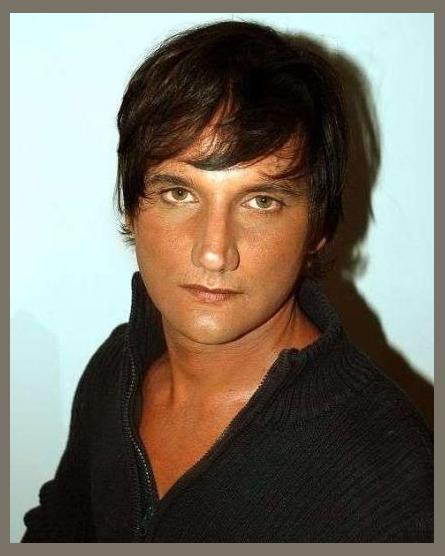

His 1980s hit "Cabaré" celebrated sexual freedom and drew conservative backlash in Brazil.
If you want to understand Fernandes, start with "Cabaré", it's the song that defined his career. For his later sound, try "É Melhor Esperar" or "Hoje Eu Tô Por Cima."
Fernandes mattered because he sang about things people weren't supposed to talk about in public. "Cabaré" became a hit precisely because it celebrated sexual freedom and marginalized communities, which got him accused of promoting vice. Songs like "É Melhor Esperar" and "Hoje Eu Tô Por Cima" show he kept writing about real life even after the controversy.
He came out of Maceió in the early 1980s with albums like "Nasci Pra Chorar" and "Meu Nome É Elcio Fernandes." The backlash to "Cabaré" didn't stop him from performing, and later his music found a wider audience as attitudes shifted. He kept making music through personal struggles, with songs like "O Carro do Amor" and "Caixas de Bombons" in his catalog.
LyroVerse editor's notes are short interpretation guides, not final verdicts. Read our Editorial policy, Corrections policy, and Methodology for the rules behind public reference pages.
Keep it compact: a lyric you come back to, a live memory, or the part of the catalog you would point someone toward first.
Sign in to post the first listener note. Reporting stays open to everyone.