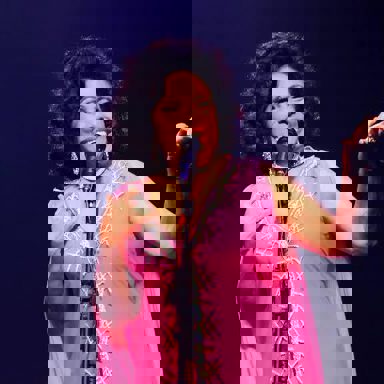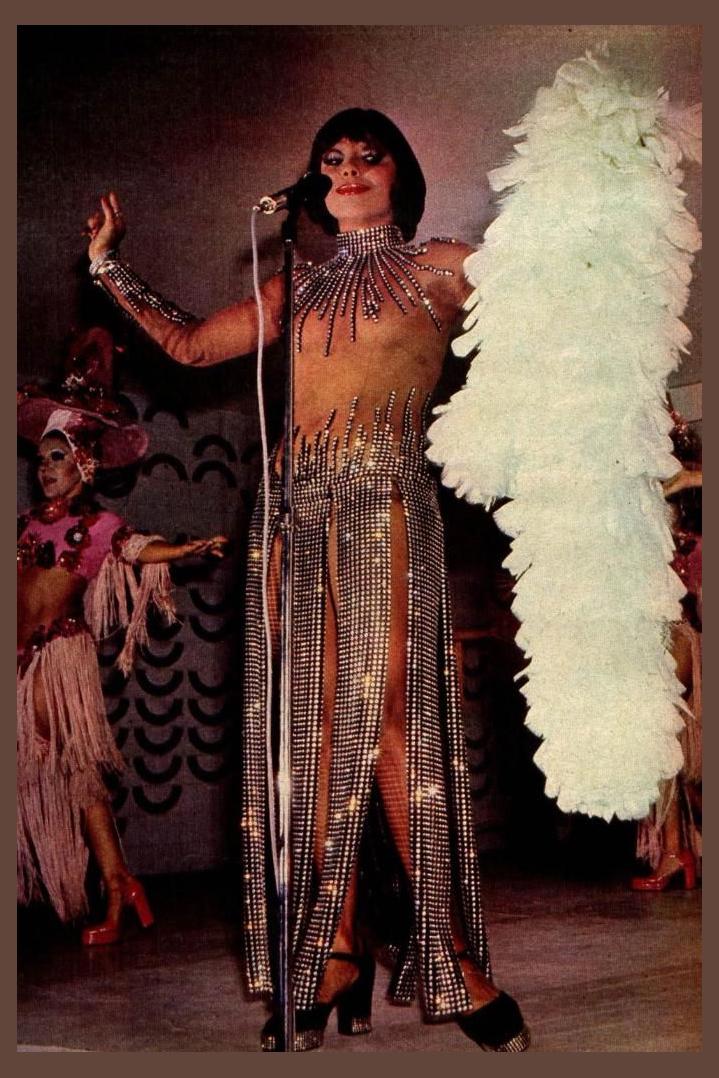
Eliana Pittman
Artist profile

Eliana Pittman

Eliana Pittman came up through Salvador's Afro-Brazilian traditions, singing in local churches and community gatherings. Her 1996 single 'Esse Mar É Meu (Das...

album177 lyric pages photo_library6 photos groups18 listeners here now Editor's note live
person Curated by Ethan Walker LyroVerse team
Start here

The pages that open this catalog up fastest

These picks surface the stronger lyric pages first instead of dropping you into one endless list.

Editor's note

Eliana Pittman's Afro-Brazilian rhythms and soul

A singer who blended Salvador's traditions with pop, writing songs about black identity and women's lives.

For a sense of her range, try 'Às Vezes' alongside 'A Flor e o Espinho / O Amor e a Rosa.' They frame how she moved between Brazilian rhythms and something more soulful.

Her 1996 single 'Esse Mar É Meu (Das 200 Para Lá)' became a hit with lyrics that spoke directly to black identity and women's empowerment. She kept writing tracks like 'Às Vezes' that mixed Brazilian rhythms with pop and soul, staying grounded in where she started even as her music reached wider audiences. The medley 'A Flor e o Espinho / O Amor e a Rosa' shows how she worked within those traditions.

She came up through Salvador's Afro-Brazilian traditions, singing in local churches and community gatherings. After 'Esse Mar É Meu' hit, she kept putting out tracks like 'Alegria de Carnaval' and recorded songs including 'Treze Carneirinhos' and 'A Dor Que o Vento Traz.'

edit_note Ethan Walker · LyroVerse team · Apr 19
verified

LyroVerse editor's notes are short interpretation guides, not final verdicts. If something needs a correction, visit About or Contact.

Artist at a glance

The fast read

177 lyric pages live 6 photos available Editor's note live Video on page
Photos

Visual archive

Real photos only. No placeholder gallery promo.

Open gallery
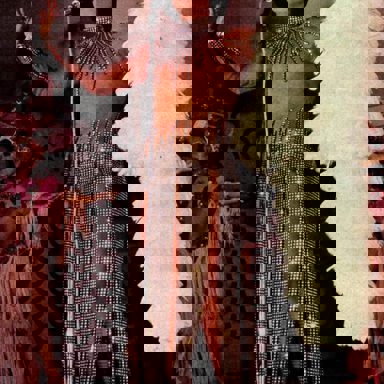
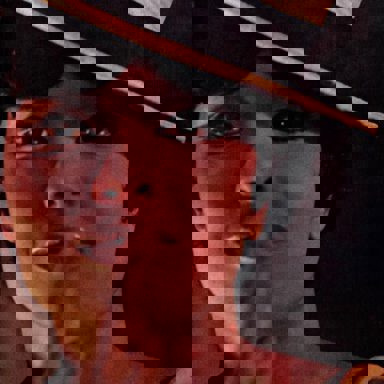
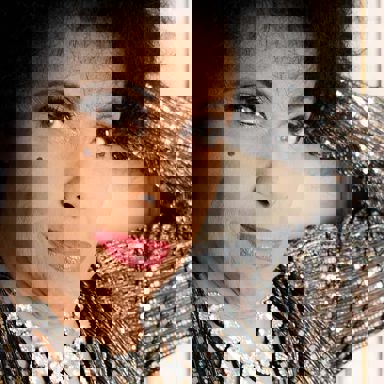
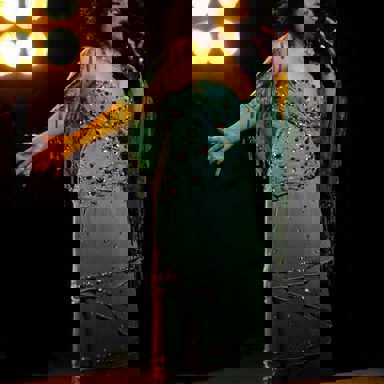
Eliana Pittman Eliana Pittman Eliana Pittman Eliana Pittman Eliana Pittman Eliana Pittman
Background notes

Archive material and source history

Eliana Pittman came up through Salvador's Afro-Brazilian traditions, singing in local churches and community gatherings. Her 1996 single 'Esse Mar É Meu (Das 200 Para Lá)' became a hit, with lyrics that spoke to black identity and women's empowerment.

She kept writing through it, putting out tracks like 'Alegria de Carnaval' and 'Às Vezes' that mixed Brazilian rhythms with pop and soul.

She recorded 'Treze Carneirinhos' and 'A Dor Que o Vento Traz,' and her work included the medley 'A Flor e o Espinho / O Amor e a Rosa.' The music stayed grounded in where she started, even as it reached wider audiences.

Quick answers

What this artist page can answer fast

Where should I start with Eliana Pittman on LyroVerse?

The Start here section opens with Aquele Abraço, Copacabana, and Aquela Rosa so you can move through the artist's stronger lyric pages first.

How many lyric pages are live for Eliana Pittman?

LyroVerse currently has 177 visible lyric pages for Eliana Pittman.

Does Eliana Pittman have photos on LyroVerse?

Yes. There are 6 photos available, and the preview gallery on this page links to the full photos section.

Does LyroVerse have an editor's note for Eliana Pittman?

Yes. The editor's note on this page is a short LyroVerse team guide, not a final verdict on the artist.

Artist Community

Not just lyrics. The conversation around them.

Follow the artist, compare interpretations across songs, and leave corrections that help the catalog stay sharp.

Open artist hub
0 followers Artist hub stays noindex until the conversations are proven strong
Listener comments

What people are saying

0 comments
Share a short memory or first impression

Keep it compact: a lyric you come back to, a live memory, or the part of the catalog you would point someone toward first.

Sign in to post the first listener note. Reporting stays open to everyone.

No listener comments on Eliana Pittman yet.