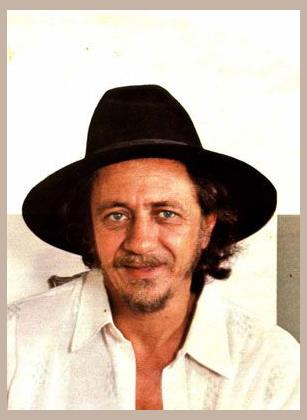
A singular voice in Brazilian music, working in the traditional textures of the northeastern backlands.
For a good sense of his world, try 'Cantiga do Boi Encantado' or 'Cantar de Faxina.' They have that spare, haunting quality he never lost.
His 1971 album 'Arrumação' became a touchstone, with songs like 'O Peão na Amarração' and 'Campo Branco' carrying a stark, allegorical weight that felt different from much of Brazilian music at the time. The arrangements were spare, the melodies haunting, circling themes of the land, time, and human frailty without easy resolution. Even in his later work, like 'Cantiga do Boi Encantado,' that singular vision remained intact.
Born in Cruz das Almas, Bahia in 1937, he came up through the traditional music of Brazil's northeastern sertão region. He kept recording for decades, from 'Vozes da Seca' in 1979 to 'As Veredas do Ser' in 2017, leaving behind a catalog that feels both rooted in a specific place and quietly singular.
LyroVerse editor's notes are short interpretation guides, not final verdicts. Read our Editorial policy, Corrections policy, and Methodology for the rules behind public reference pages.
Keep it compact: a lyric you come back to, a live memory, or the part of the catalog you would point someone toward first.
Sign in to post the first listener note. Reporting stays open to everyone.