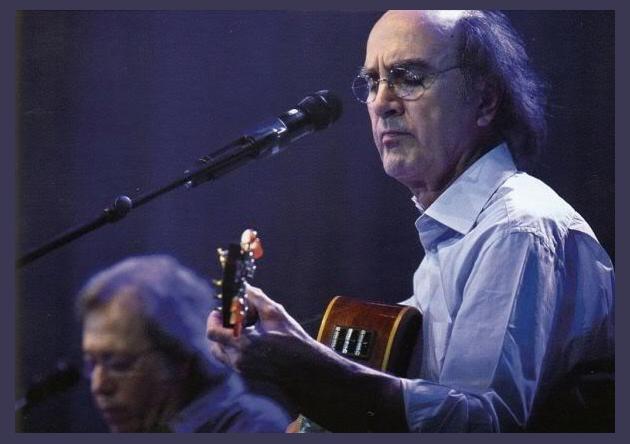
A folk-rooted voice whose songs navigated censorship and became part of Portugal's musical fabric.
For a sense of his range, listen to 'A Voar Por Cima Das Águas' and 'Madrugada'. They show how he could be both hopeful and quietly reflective.
Fausto's music mattered because it spoke plainly during a repressive time. Songs like 'À Deriva Porto Rico' and 'O Romance de Diogo Soares' carried weight not just as melodies, but as quiet statements against injustice. His blend of Portuguese and Brazilian folk traditions gave those statements a gentle, enduring sound.
He started as a teenager, releasing 'O Menino que Tocava Viola' in 1965. After the Carnation Revolution, albums like 'Por Este Rio Acima' in 1975 found a wider audience, and he kept writing for decades, from 'P'rá Frente, Portugal' in 1976 to 'Cantigas do Maio' in 2008.
LyroVerse editor's notes are short interpretation guides, not final verdicts. Read our Editorial policy, Corrections policy, and Methodology for the rules behind public reference pages.
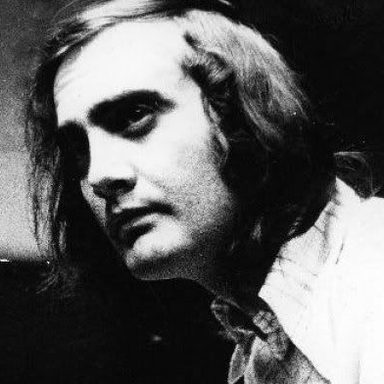
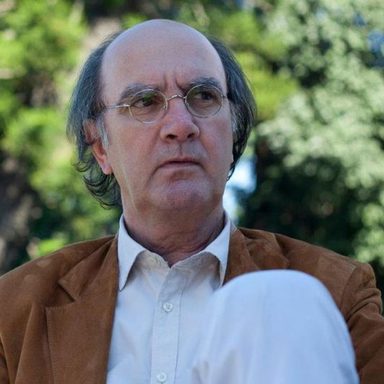
Keep it compact: a lyric you come back to, a live memory, or the part of the catalog you would point someone toward first.
Sign in to post the first listener note. Reporting stays open to everyone.