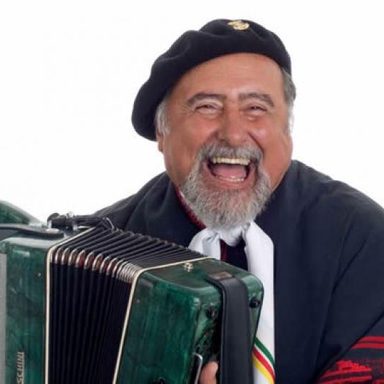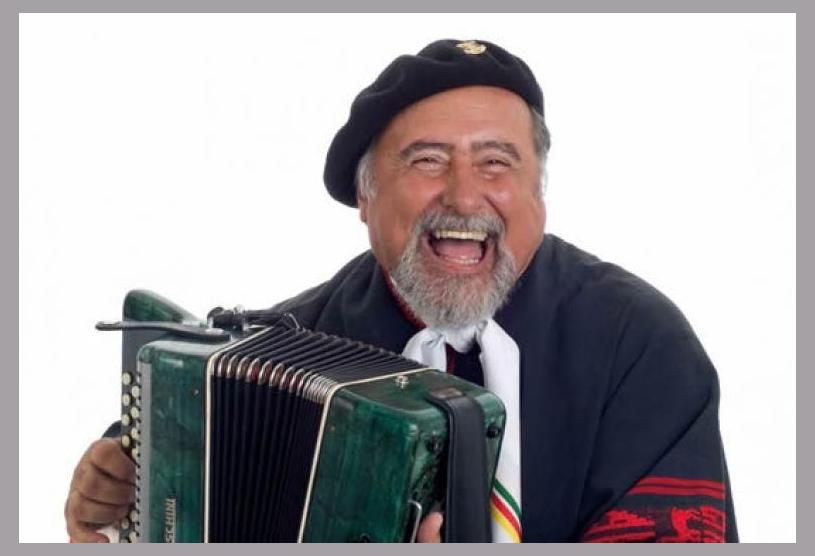
Gaúcho da Fronteira
Artist profile

Gaúcho da Fronteira

Gaúcho da Fronteira formed in 1968 in Santana do Livramento, a city in Rio Grande do Sul, Brazil. The group was led by accordionist Nestor Reginatto, who...

album200 lyric pages photo_library2 photos groups14 listeners here now Editor's note live
person Curated by Ethan Walker LyroVerse team
Start here

The pages that open this catalog up fastest

These picks surface the stronger lyric pages first instead of dropping you into one endless list.

Editor's note

Gaúcho da Fronteira, the accordion-led gaucho band

A Brazilian group from Santana do Livramento that's been playing traditional music since 1968.

For a sense of their sound, try "Cidade Sorriso" or "Vaquinha Preta." They're still playing the music they started with back in '68.

They've recorded more than forty albums over five decades, keeping gaucho traditions alive through songs like "Cidade Sorriso" and "Vaquinha Preta." Some listeners feel their music presents a narrow picture of gaucho life, while others see it as preserving something authentic. Their 1977 album "Canta Gaúcho da Fronteira" brought wider attention, especially the track "É Disso Que o Velho Gosta" with Chitãozinho & Xororó.

They formed in 1968 in Santana do Livramento, playing at local gatherings and small festivals. After their 1977 album gained attention, they kept recording steadily, marking their fortieth year in 2008 with a concert looking back at their material. Accordionist Nestor Reginatto still leads the group.

edit_note Ethan Walker · LyroVerse team · Apr 19
verified

LyroVerse editor's notes are short interpretation guides, not final verdicts. If something needs a correction, visit About or Contact.

Artist at a glance

The fast read

200 lyric pages live 2 photos available Editor's note live Video on page
Photos

Visual archive

Real photos only. No placeholder gallery promo.

Open gallery
Gaúcho da Fronteira Gaúcho da Fronteira
Background notes

Archive material and source history

Gaúcho da Fronteira formed in 1968 in Santana do Livramento, a city in Rio Grande do Sul, Brazil. The group was led by accordionist Nestor Reginatto, who still plays with them. They started out playing at local gatherings and small festivals.

Their 1977 album "Canta Gaúcho da Fronteira" brought them wider attention, particularly the track "É Disso Que o Velho Gosta," which featured a duet with Chitãozinho & Xororó. Over time they've recorded more than forty albums, including songs like "Não Pode Mais," "Cidade Sorriso," and "Querencia Amada."

Some listeners have felt their music presents a narrow picture of gaucho life, while others see it as keeping traditions alive. The band marked their fortieth year in 2008 with a concert looking back at their material.

Quick answers

What this artist page can answer fast

Where should I start with Gaúcho da Fronteira on LyroVerse?

The Start here section opens with Forrónerão, Paleteando Mouro Velho, and Truco de Mano so you can move through the artist's stronger lyric pages first.

How many lyric pages are live for Gaúcho da Fronteira?

LyroVerse currently has 200 visible lyric pages for Gaúcho da Fronteira.

Does Gaúcho da Fronteira have photos on LyroVerse?

Yes. There are 2 photos available, and the preview gallery on this page links to the full photos section.

Does LyroVerse have an editor's note for Gaúcho da Fronteira?

Yes. The editor's note on this page is a short LyroVerse team guide, not a final verdict on the artist.

Artist Community

Not just lyrics. The conversation around them.

Follow the artist, compare interpretations across songs, and leave corrections that help the catalog stay sharp.

Open artist hub
0 followers Artist hub stays noindex until the conversations are proven strong
Listener comments

What people are saying

0 comments
Share a short memory or first impression

Keep it compact: a lyric you come back to, a live memory, or the part of the catalog you would point someone toward first.

Sign in to post the first listener note. Reporting stays open to everyone.

No listener comments on Gaúcho da Fronteira yet.