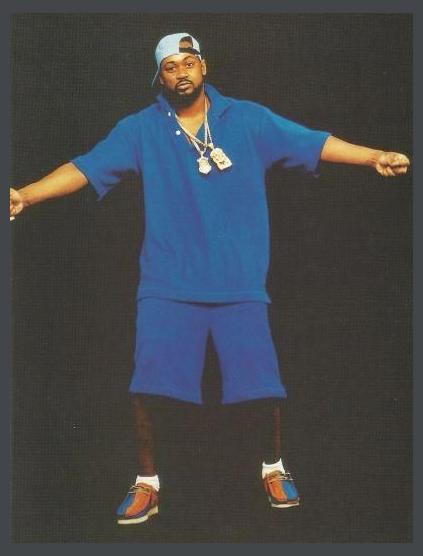

The Wu-Tang Clan member built a solo catalog of dense, narrative-driven rap that leans into chaotic imagery and raw energy.
For a good sense of his style, check out '9 Milli Bros' and 'Back Like That (remix).' They show both his dense storytelling and his ability to work with melodic samples.
Ghostface Killah's work matters because he took the Wu-Tang blueprint and pushed it into more detailed, character-filled territory. Songs like '9 Milli Bros' and 'Poisonous Darts' show his knack for weaving intricate street stories with a sharp, sometimes frantic delivery. His 2000 album 'Supreme Clientele' is often cited as a high point, and tracks like 'Back Like That (remix)' demonstrate how he could balance grit with melodic soul samples.
He came up as part of the Wu-Tang Clan in the early 1990s and put out his debut solo album 'Ironman' in 1996. That set the tone for his narrative-driven style, which continued through later records like 'Fishscale' and 'Twelve Reasons to Die.' He's worked closely with other Wu-Tang members and maintained his focus on music despite some legal trouble.
LyroVerse editor's notes are short interpretation guides, not final verdicts. Read our Editorial policy, Corrections policy, and Methodology for the rules behind public reference pages.
Keep it compact: a lyric you come back to, a live memory, or the part of the catalog you would point someone toward first.
Sign in to post the first listener note. Reporting stays open to everyone.