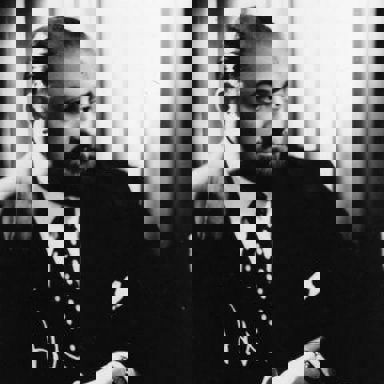
Homero Manzi
Artist profile

Homero Manzi

Homero Manzi was born in Bahia Blanca, Argentina in 1907. He started writing songs in the 1930s, working with composers like Sebastián Piana and Mariano...

album105 lyric pages photo_library2 photos groups20 listeners here now Editor's note live
person Curated by Ethan Walker LyroVerse team
Start here

The pages that open this catalog up fastest

These picks surface the stronger lyric pages first instead of dropping you into one endless list.

Editor's note

Homero Manzi wrote Argentina's most recognized tangos.

A lyricist who turned political imprisonment and lost love into enduring songs.

For a quick sense of his voice, listen to 'Milonga sentimental' or 'Bandoneón amigo' from his top songs.

Manzi's 'Pluma de Nido' became one of Argentina's most recognized tangos, with its image of a bird's feather symbolizing lost love. He wrote songs like 'Fuimos' and 'Che bandoneón!' that showed his range within the form. His work with composers like Sebastián Piana and Mariano Mores helped define the sound of 1930s tango.

He started writing songs in the 1930s, working with composers like Sebastián Piana and Mariano Mores. In 1936, Manzi was imprisoned for his political views and wrote songs during that time that reflected his experiences, though he kept working with collaborators afterward.

edit_note Ethan Walker · LyroVerse team · Apr 20
verified

LyroVerse editor's notes are short interpretation guides, not final verdicts. If something needs a correction, visit About or Contact.

Artist at a glance

The fast read

105 lyric pages live 2 photos available Editor's note live Video on page
Photos

Visual archive

Real photos only. No placeholder gallery promo.

Open gallery
Homero Manzi Homero Manzi
Background notes

Archive material and source history

Homero Manzi was born in Bahia Blanca, Argentina in 1907. He started writing songs in the 1930s, working with composers like Sebastián Piana and Mariano Mores.

His song 'Pluma de Nido' became one of Argentina's most recognized tangos. The lyrics describe a bird's feather as a symbol of lost love, set to a melody that stuck with listeners. Other songs like 'Fuimos' and 'Che bandoneón!' show his range within the form.

In 1936, Manzi was imprisoned for his political views. He wrote songs during that time that reflected his experiences, though he kept working with collaborators afterward.

Quick answers

What this artist page can answer fast

Where should I start with Homero Manzi on LyroVerse?

The Start here section opens with Sosteniendo recuerdos, Luna, and Milonga sentimental so you can move through the artist's stronger lyric pages first.

How many lyric pages are live for Homero Manzi?

LyroVerse currently has 105 visible lyric pages for Homero Manzi.

Does Homero Manzi have photos on LyroVerse?

Yes. There are 2 photos available, and the preview gallery on this page links to the full photos section.

Does LyroVerse have an editor's note for Homero Manzi?

Yes. The editor's note on this page is a short LyroVerse team guide, not a final verdict on the artist.

Artist Community

Not just lyrics. The conversation around them.

Follow the artist, compare interpretations across songs, and leave corrections that help the catalog stay sharp.

Open artist hub
0 followers Artist hub stays noindex until the conversations are proven strong
Listener comments

What people are saying

0 comments
Share a short memory or first impression

Keep it compact: a lyric you come back to, a live memory, or the part of the catalog you would point someone toward first.

Sign in to post the first listener note. Reporting stays open to everyone.

No listener comments on Homero Manzi yet.