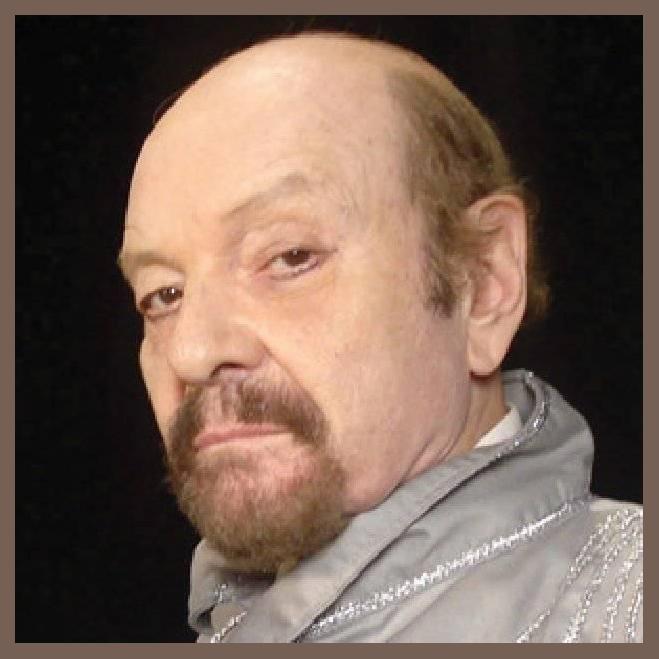
A Buenos Aires poet whose words gave tango a more introspective voice.
If you want to hear Ferrer's approach, start with "Chiquilín de Bachín" and "Balada Para Un Loco." They frame what he did best, lyrics that sit with you after the music stops.
Ferrer's lyrics moved tango away from pure romance and street scenes toward something more reflective. Songs like "Chiquilín de Bachín" became touchstones because they handled love and loss with a quiet, lasting weight. He worked with Astor Piazzolla and Osvaldo Pugliese, helping shape the sound of modern tango in the 1960s.
Born in Buenos Aires in 1933, he grew up on the tango of Aníbal Troilo and Enrique Santos Discépolo. His early albums like Tangos de Horacio Ferrer from 1961 show him finding his own voice, one that felt more philosophical than what came before. Later songs like "La última grela" and "Vamos Nina" kept that introspective quality.
LyroVerse editor's notes are short interpretation guides, not final verdicts. Read our Editorial policy, Corrections policy, and Methodology for the rules behind public reference pages.
Keep it compact: a lyric you come back to, a live memory, or the part of the catalog you would point someone toward first.
Sign in to post the first listener note. Reporting stays open to everyone.