


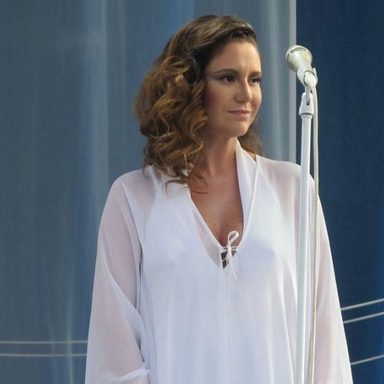
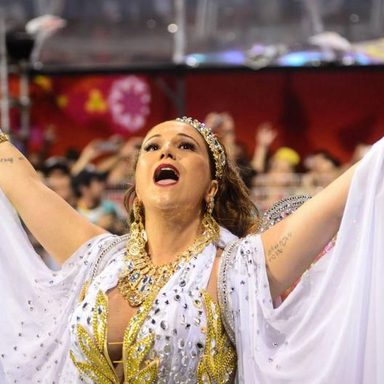
Her voice carries a family legacy while speaking to modern Brazil.
For a sense of her range, listen to the quiet insistence of 'Ainda é Tempo de Ser Feliz' and then the rhythmic drive of 'Santa Chuva.' They're different sides of the same artist.
Maria Rita's debut single 'Encontros e Despedidas' announced a new voice in Brazilian music that was both connected to tradition and distinctly her own. She's worked with giants like Gilberto Gil and Caetano Veloso, but her own songs, like 'Cria' and 'Maria do Socorro,' have their own weight. She's also used her platform to talk plainly about things that matter in Brazil, from indigenous rights to the LGBTQ+ community.
She released her first album in 2003, a decade after her mother Elis Regina's death. The music since has moved through different sounds, from the samba-inflected 'Fascinação' to the more contemplative 'Mantra.' A 2005 concert cancellation in São Paulo sparked public conversation about who gets heard in Brazilian music.
LyroVerse editor's notes are short interpretation guides, not final verdicts. Read our Editorial policy, Corrections policy, and Methodology for the rules behind public reference pages.






Keep it compact: a lyric you come back to, a live memory, or the part of the catalog you would point someone toward first.
Sign in to post the first listener note. Reporting stays open to everyone.