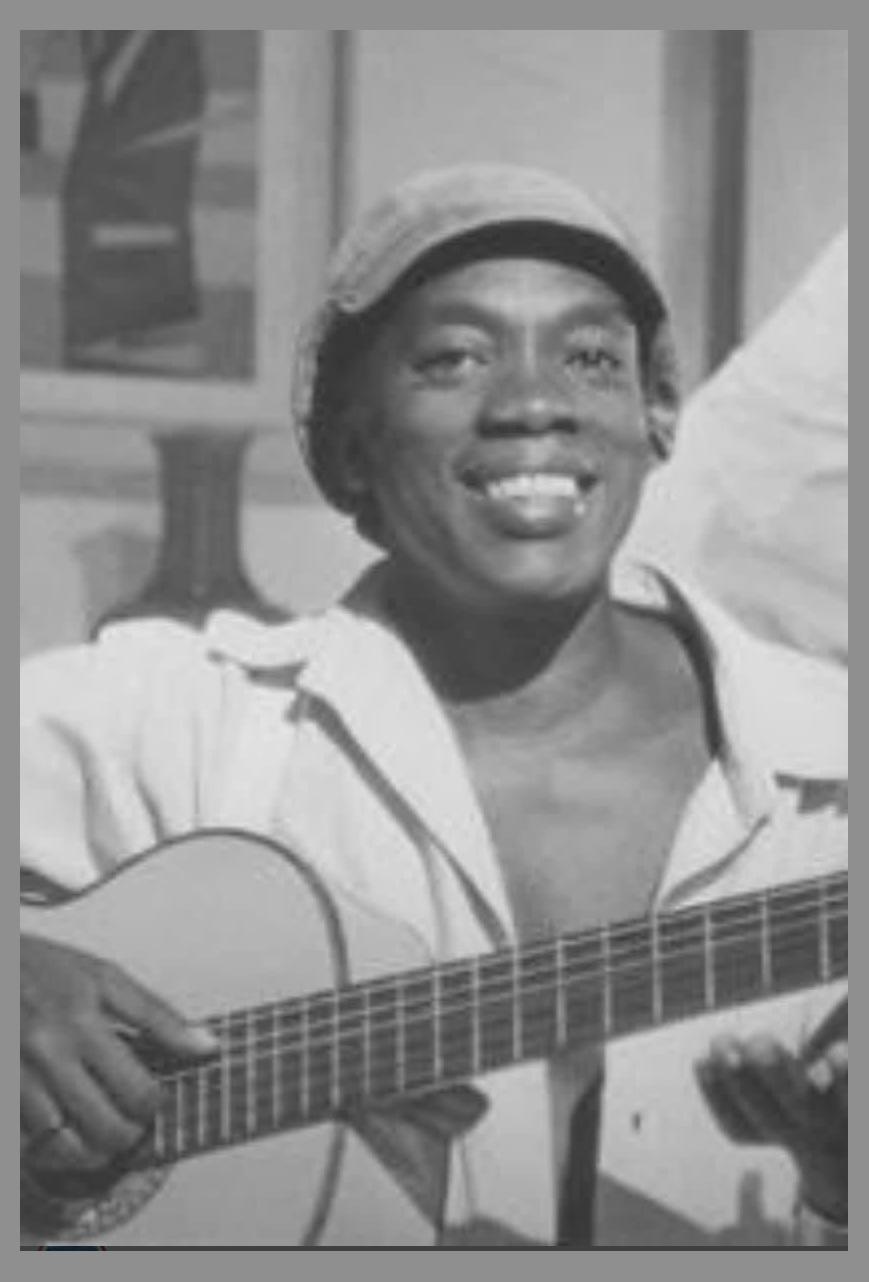


From the folk traditions of Minas Gerais to the Clube da Esquina collective, his songs became national anthems.
For a quick sense of his range, try 'Canção da América' and the duet 'Fé Cega, Faca Amolada' with Beto Guedes. Both show how his music could feel intimate and expansive at once.
That voice, high, clear, unmistakable, carried melodies that felt both personal and universal. Songs like 'Canção da América' and 'Maria, Maria' became staples in Brazilian life, connecting landscapes with social concerns. His collaborations with Wayne Shorter and Gilberto Gil showed how his sound traveled beyond borders.
He taught himself guitar as a boy in Três Pontas, drawing from local folk music. The 1967 album 'Travessia' marked a turning point, and the 1972 'Clube da Esquina' collective cemented his place in Brazilian music's story. He kept recording for decades, his work remaining a reference point for later generations.
LyroVerse editor's notes are short interpretation guides, not final verdicts. Read our Editorial policy, Corrections policy, and Methodology for the rules behind public reference pages.




Keep it compact: a lyric you come back to, a live memory, or the part of the catalog you would point someone toward first.
Sign in to post the first listener note. Reporting stays open to everyone.