
Page type: artist reference
Canonical path: /narf
Lyric pages live: 9
Photos available: 2
Video embedded: yes
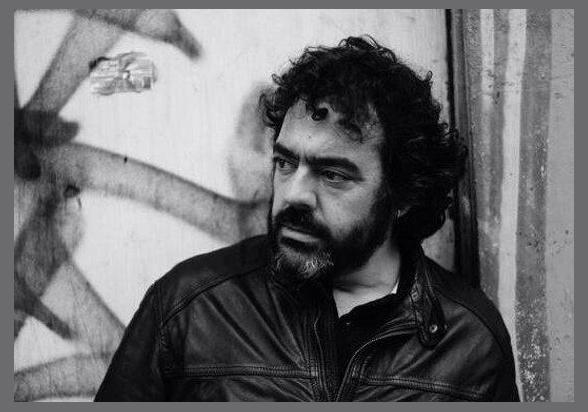
1 / 2
Artist profile
Narf
Narf formed in Brasília in 1980, during a period of political tension in Brazil. The band's raw, energetic approach to punk rock stood out from the start,...
person
Curated by Ethan Walker
LyroVerse team
Start here
The pages that open this catalog up fastest
These picks surface the stronger lyric pages first instead of dropping you into one endless list.
Bos Amores
12 visits
arrow_forward
A Morte Saiu À Rua
Video on page · 11 visits
arrow_forward
Encontrarte
Video on page · 11 visits
arrow_forward
Onda Soante
Video on page · 11 visits
arrow_forward
Samba Do Bairro
Video on page · 11 visits
arrow_forward
Traz Outro Amigo Também
Video on page · 10 visits
arrow_forward
Artist at a glance
The fast read
9 lyric pages live
2 photos available
Video on page
Reference snapshot
The facts this page is built to carry clearly
Use this page as the public reference for the artist summary, linked lyric pages, and any LyroVerse editor's note on the page. Listener comments remain user-generated context.
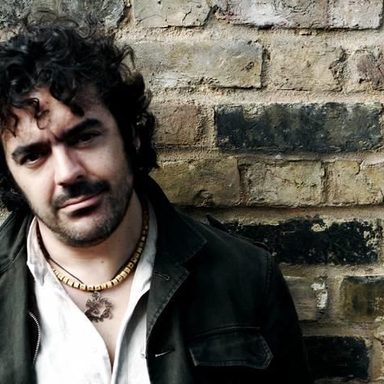
Photos
Open gallery
Visual archive
Real photos only. No placeholder gallery promo.

Songs in focus
Keep moving through Narf
Bos Amores
12 visits
arrow_forward
A Morte Saiu À Rua
Video on page · 11 visits
arrow_forward
Encontrarte
Video on page · 11 visits
arrow_forward
Onda Soante
Video on page · 11 visits
arrow_forward
Samba Do Bairro
Video on page · 11 visits
arrow_forward
Traz Outro Amigo Também
Video on page · 10 visits
arrow_forward
Santiago
Video on page · 9 visits
arrow_forward
Quero Ser Tambor
Video on page · 8 visits
arrow_forward
Xa Asoma A Primavera
Video on page · 8 visits
arrow_forward
Background notes
Archive material and source history
Narf formed in Brasília in 1980, during a period of political tension in Brazil. The band's raw, energetic approach to punk rock stood out from the start, with Hique Gomes on vocals, Flávio Lemos on guitar, Renato Rocha on bass, and Edgard Scandurra on drums. Their early performances had a confrontational edge that reflected the DIY spirit of the underground scene at the time.
Their 1983 track "Quero Ser Tambor" became something of an anthem, with its driving rhythm and Gomes's intense delivery capturing a particular frustration among young listeners. Other songs like "A Morte Saiu À Rua" and "Bos Amores" showed the band's range within their punk framework, blending aggression with more melodic or rhythmic elements.
Narf released several albums including their self-titled debut in 1982, followed by "Quero Ser Tambor" in 1983 and "Verdade" in 1985. The 1985 album faced censorship issues in Brazil, which wasn't uncommon for politically-charged music during that era. They continued recording into the early 1990s with "Resistência" in 1992.
While their catalog isn't extensive, Narf's place in Brazilian punk history comes from that specific combination of timing, location, and sound. They emerged from Brasília's underground when few bands were working in that style, and their recordings from the early 1980s still sound urgent decades later.
Quick answers
What this artist page can answer fast
Where should I start with Narf on LyroVerse?
The Start here section opens with Bos Amores, A Morte Saiu À Rua, and Encontrarte so you can move through the artist's stronger lyric pages first.
How many lyric pages are live for Narf?
LyroVerse currently has 9 visible lyric pages for Narf.
Does Narf have photos on LyroVerse?
Yes. There are 2 photos available, and the preview gallery on this page links to the full photos section.
Artist Community
Open artist hub
Not just lyrics. The conversation around them.
Follow the artist, compare interpretations across songs, and leave corrections that help the catalog stay sharp.
Listener comments
What people are saying
No listener comments on Narf yet.
Keep it compact: a lyric you come back to, a live memory, or the part of the catalog you would point someone toward first.
Sign in to post the first listener note. Reporting stays open to everyone.