Page type: artist reference
Canonical path: /new-grass-revival
Lyric pages live: 6
Photos available: 1
Video embedded: yes
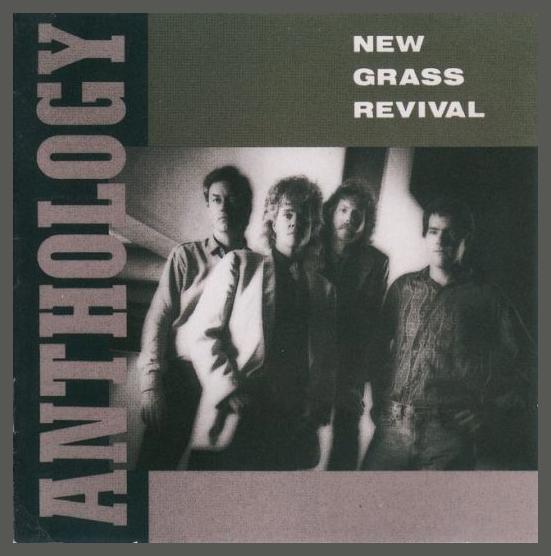
Artist profile
New Grass Revival
The Enduring Tapestry of New Grass Revival: A Symphony of Americana In the annals of bluegrass music, few ensembles have left an enduring legacy as profound...
person
Curated by Ethan Walker
LyroVerse team
Start here
The pages that open this catalog up fastest
These picks surface the stronger lyric pages first instead of dropping you into one endless list.
Can't Stop Now
Video on page · 2 visits
arrow_forward
Friday Night in America
Video on page · 2 visits
arrow_forward
Hold To a Dream
Video on page · 2 visits
arrow_forward
Reach
Video on page · 2 visits
arrow_forward
Revival
Video on page · 2 visits
arrow_forward
You Plant Your Fields
Video on page · 2 visits
arrow_forward
Artist at a glance
The fast read
6 lyric pages live
1 photo available
Video on page
Reference snapshot
The facts this page is built to carry clearly
Use this page as the public reference for the artist summary, linked lyric pages, and any LyroVerse editor's note on the page. Listener comments remain user-generated context.
Photos
Open gallery
Visual archive
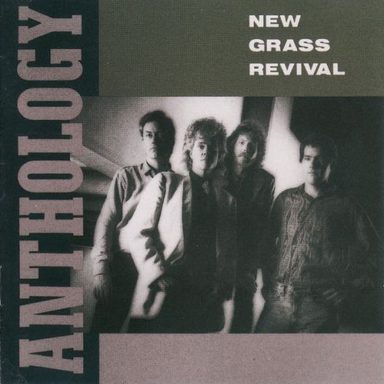
Real photos only. No placeholder gallery promo.
Songs in focus
Keep moving through New Grass Revival
Can't Stop Now
Video on page · 2 visits
arrow_forward
Friday Night in America
Video on page · 2 visits
arrow_forward
Hold To a Dream
Video on page · 2 visits
arrow_forward
Reach
Video on page · 2 visits
arrow_forward
Revival
Video on page · 2 visits
arrow_forward
You Plant Your Fields
Video on page · 2 visits
arrow_forward
Background notes
Archive material and source history
The Enduring Tapestry of New Grass Revival: A Symphony of Americana
In the annals of bluegrass music, few ensembles have left an enduring legacy as profound as that of New Grass Revival. Their pioneering fusion of traditional bluegrass with elements of jazz, rock, and folk created a revolutionary sound that captivated audiences and transcended genre boundaries.
Genesis and Early Challenges
New Grass Revival emerged in 1972 from the vibrant bluegrass scene of Louisville, Kentucky. The founding members included banjoist Sam Bush, mandolinist John Cowan, guitarist Courtney Johnson, and bassist Alan Munde. Their audacious experimentation immediately sparked controversy within the bluegrass community, which was initially resistant to their innovative approach.
Undeterred by the skepticism, the band persevered, honing their sound and building a loyal following through relentless touring. In 1974, they released their self-titled debut album, showcasing their eclectic musicality and paving the way for their signature blend of traditional bluegrass with contemporary influences.
Rise to Prominence
Throughout the 1970s and 1980s, New Grass Revival ascended to the forefront of the bluegrass world. Their albums, such as "Fly Through the Night" (1977) and "Barren County" (1984), showcased their virtuosic instrumentation and poignant songwriting. Their infectious energy and innovative arrangements captivated audiences both within and beyond the bluegrass realm.
Discography and Collaborations
Over the course of their career, New Grass Revival released a prolific discography that spanned nine studio albums, numerous live recordings, and collaborations with renowned artists such as Doc Watson, Emmylou Harris, and Tony Rice. Their iconic hit single, "Can't Stop Now," became an anthem for their relentless pursuit of musical innovation.
Legacy and Impact
Despite disbanding in 1989, New Grass Revival's legacy continues to inspire and influence generations of musicians. Their groundbreaking fusion of bluegrass and other genres expanded the boundaries of the music form and paved the way for subsequent bluegrass innovators. Their virtuosity and songwriting prowess have cemented their place as one of the most influential bands in the history of bluegrass.
Members and Departures
Over the years, New Grass Revival's lineup underwent several changes. Founding member Sam Bush left in 1981 to pursue a successful solo career. He was replaced by Pat Flynn on banjo. In 1989, the band disbanded due to creative differences and personal tensions.
Despite the band's dissolution, the individual members continued to make significant contributions to the music industry. Sam Bush became a highly sought-after bluegrass and new acoustic music performer, while John Cowan joined The Doobie Brothers and later formed the John Cowan Band. Courtney Johnson pursued a successful career as a singer-songwriter and producer, and Alan Munde founded a bluegrass group called The Munde Boys.
Controversies and Criticism
Throughout their career, New Grass Revival faced criticism from some bluegrass purists who objected to their blending of traditional bluegrass with other genres. However, the band remained true to their artistic vision, believing that music should not be confined by genre boundaries.
Their innovative approach also attracted some controversy within the band itself. Sam Bush's departure in 1981 was reportedly due to his desire to explore a more traditional bluegrass sound, while Courtney Johnson and John Cowan were more open to experimentation.
Reunions and Collaborations
In the years since their disbandment, members of New Grass Revival have reunited for special performances and collaborations. In 2000, the band members reunited to record the album "Season on the Ground." They have also performed together at various festivals and events over the years.
Conclusion
New Grass Revival's enduring musical legacy is a testament to their artistry, innovation, and unwavering passion for bluegrass music. Their fusion of traditional and contemporary elements created a unique and captivating sound that continues to resonate with audiences today.
Quick answers
What this artist page can answer fast
Where should I start with New Grass Revival on LyroVerse?
The Start here section opens with Can't Stop Now, Friday Night in America, and Hold To a Dream so you can move through the artist's stronger lyric pages first.
How many lyric pages are live for New Grass Revival?
LyroVerse currently has 6 visible lyric pages for New Grass Revival.
Does New Grass Revival have photos on LyroVerse?
Yes. There are 1 photo available, and the preview gallery on this page links to the full photos section.
Artist Community
Open artist hub
Not just lyrics. The conversation around them.
Follow the artist, compare interpretations across songs, and leave corrections that help the catalog stay sharp.
Listener comments
What people are saying
No listener comments on New Grass Revival yet.
Keep it compact: a lyric you come back to, a live memory, or the part of the catalog you would point someone toward first.
Sign in to post the first listener note. Reporting stays open to everyone.