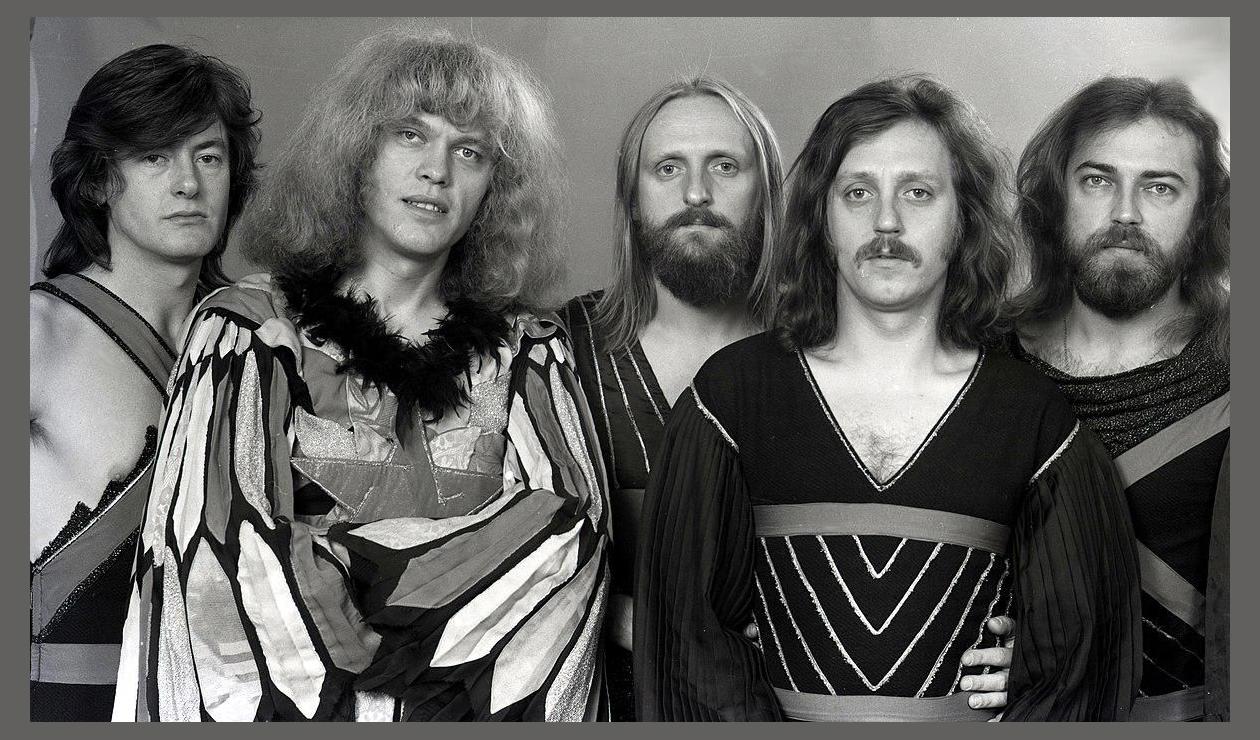
From beat music beginnings to progressive rock anthems, they created one of Eastern Europe's most enduring catalogs.
For their sound, 'Gyöngyhajú lány' is the obvious touchstone, but '200 évvel az utolsó háború után' gives you their more ambitious side.
Omega's 1969 album '10,000 lépés' gave them 'Gyöngyhajú lány,' a ballad that became their most recognizable song. Tracks like '200 évvel az utolsó háború után' show their range from rock anthems to more conceptual pieces. Their lawsuit against Hungaroton in the 1970s over royalties became part of their story in Hungary's music industry.
They formed in 1962 with László Benkő on guitar, János Kóbor on vocals, György Molnár on bass, and József Laux on drums. The lineup later expanded to include Tamás Mihály on keyboards and Gábor Presser on bass and vocals. They started with beat music before moving into progressive rock.
LyroVerse editor's notes are short interpretation guides, not final verdicts. Read our Editorial policy, Corrections policy, and Methodology for the rules behind public reference pages.
Keep it compact: a lyric you come back to, a live memory, or the part of the catalog you would point someone toward first.
Sign in to post the first listener note. Reporting stays open to everyone.