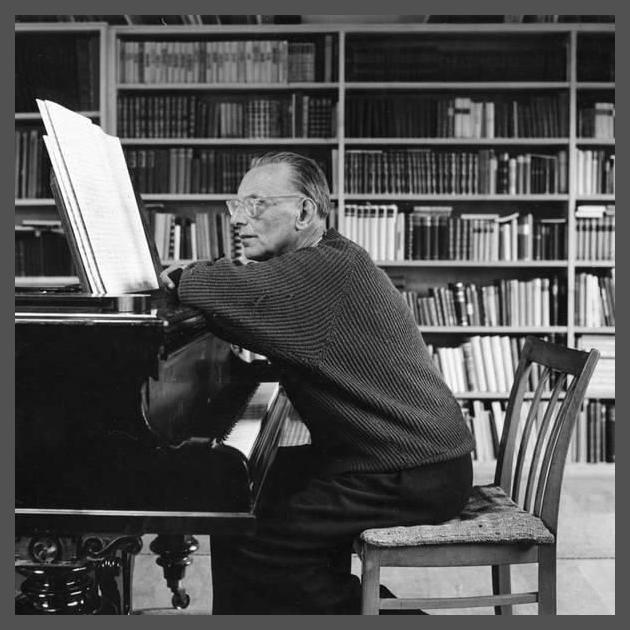


A German composer who brought medieval poems to life with dramatic choral music.
Start with 'Carmina Burana' - the whole thing, not just 'O Fortuna.' The songs 'Fortune Plango Vulnera' and 'In Taberna Quando Sumus' give you a better sense of what he was doing with those medieval texts.
Orff's 1937 setting of the medieval Latin poems 'Carmina Burana' became his signature work. The opening chorus 'O Fortuna' is instantly recognizable, but the full piece includes songs like 'In Taberna Quando Sumus' that capture the earthy spirit of the original texts. His approach to orchestration and choral forces created something that still feels immediate decades later.
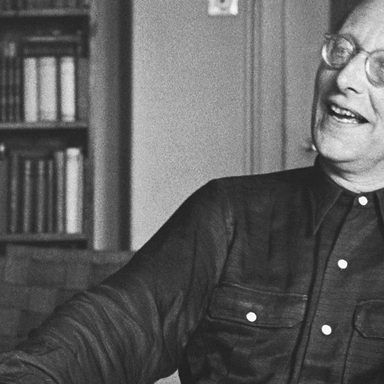
Born in Munich in 1895, Orff's early exposure to music theory, dance, and theater shaped his later work. In 1937 he discovered the 'Carmina Burana' manuscript and began setting those poems to music, which became his most recognized composition. He continued with other choral works like 'Catulli Carmina' and 'Trionfo di Afrodite,' working in his own unconventional way.
LyroVerse editor's notes are short interpretation guides, not final verdicts. Read our Editorial policy, Corrections policy, and Methodology for the rules behind public reference pages.
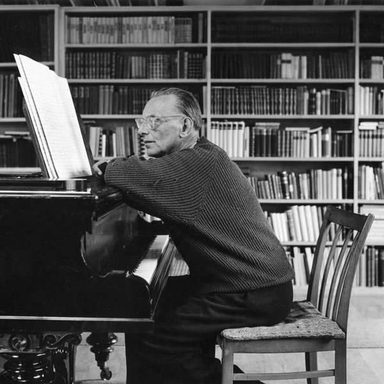
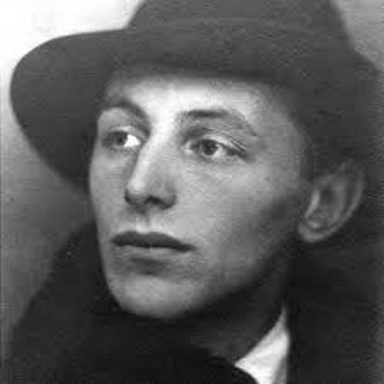
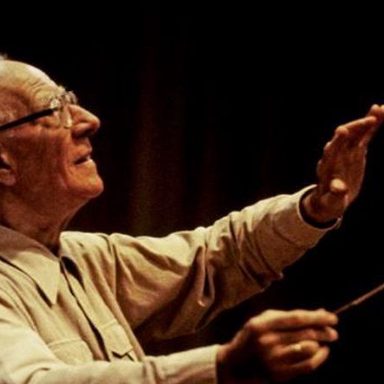
Keep it compact: a lyric you come back to, a live memory, or the part of the catalog you would point someone toward first.
Sign in to post the first listener note. Reporting stays open to everyone.