


Page type: artist reference
Canonical path: /os-gonzagas
Lyric pages live: 27
Photos available: 13
1 / 8
Artist profile
Os Gonzagas
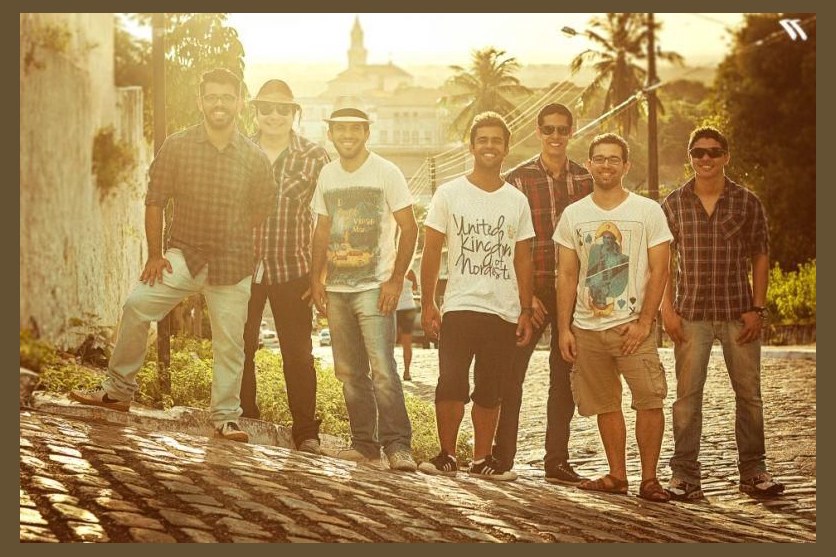
Os Gonzagas formed in the 1940s around Luiz Gonzaga, an accordionist and vocalist from Pernambuco. He brought with him the folk music traditions of Brazil's...
person
Curated by Ethan Walker
LyroVerse team
Start here
The pages that open this catalog up fastest
These picks surface the stronger lyric pages first instead of dropping you into one endless list.
Artist at a glance
The fast read
27 lyric pages live
13 photos available
Reference snapshot
The facts this page is built to carry clearly
Use this page as the public reference for the artist summary, linked lyric pages, and any LyroVerse editor's note on the page. Listener comments remain user-generated context.
Photos
Open gallery
Visual archive
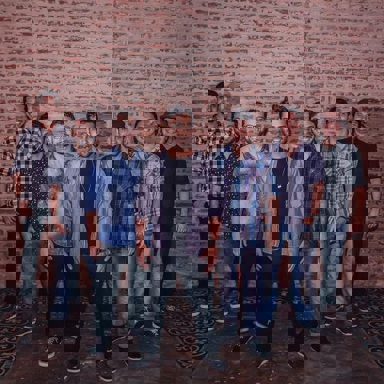
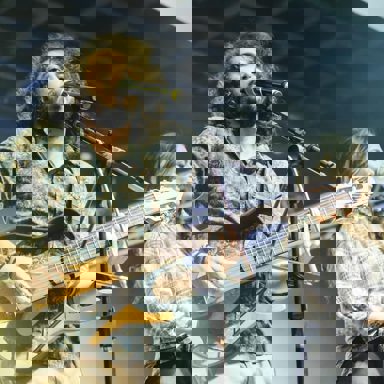
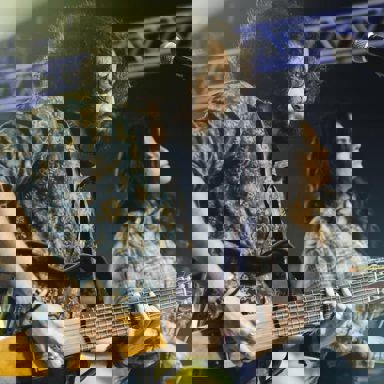
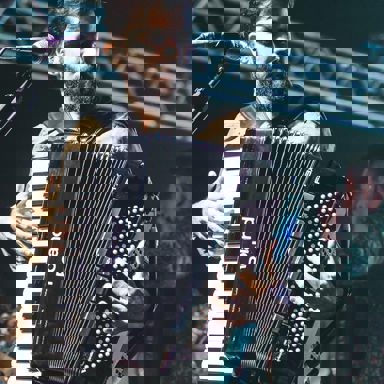
Real photos only. No placeholder gallery promo.


Songs in focus
Keep moving through Os Gonzagas
Forró Em Campina
3 visits
arrow_forward
Onde Estará?
3 visits
arrow_forward
Farol
2 visits
arrow_forward
Ah, Se Eu Fosse Dois
1 visits
arrow_forward
Além de Nós
1 visits
arrow_forward
Amor da Gota
1 visits
arrow_forward
Ao Lado
1 visits
arrow_forward
Coco Lá de Casa
1 visits
arrow_forward
Deixa o vento levar
1 visits
arrow_forward
Encare a Maré
1 visits
arrow_forward
Espere Por Mim, Morena
1 visits
arrow_forward
Guarde o Melhor de Mim
1 visits
arrow_forward
Je Suis Brasileiro
1 visits
arrow_forward
Milagre do Tempo
1 visits
arrow_forward
Minha Origem
1 visits
arrow_forward
No Passo Que a Vida Me Leva
1 visits
arrow_forward
Background notes
Archive material and source history
Os Gonzagas formed in the 1940s around Luiz Gonzaga, an accordionist and vocalist from Pernambuco. He brought with him the folk music traditions of Brazil's northeastern backlands, and the band's sound grew from that foundation. Their breakthrough came with 'Passarinho,' a song written by Gonzaga's cousin Humberto Teixeira that became an instant classic.
Their music drew heavily on traditional Brazilian rhythms like forró, baião, and xaxado. Songs like 'Onde Estará?' and 'No Passo Que a Vida Me Leva' carried that sound forward, built around Gonzaga's distinctive accordion playing and plainspoken vocals. They weren't trying to modernize or reinvent those forms so much as give them a clear, direct voice.
For a band so identified with one figure, Os Gonzagas always felt like a collective effort, a vehicle for the regional music Gonzaga knew best. The recordings have a straightforward, unadorned quality that lets the melodies and rhythms speak for themselves.
Quick answers
What this artist page can answer fast
Where should I start with Os Gonzagas on LyroVerse?
The Start here section opens with Forró Em Campina, Onde Estará?, and Farol so you can move through the artist's stronger lyric pages first.
How many lyric pages are live for Os Gonzagas?
LyroVerse currently has 27 visible lyric pages for Os Gonzagas.
Does Os Gonzagas have photos on LyroVerse?
Yes. There are 13 photos available, and the preview gallery on this page links to the full photos section.
Artist Community
Open artist hub
Not just lyrics. The conversation around them.
Follow the artist, compare interpretations across songs, and leave corrections that help the catalog stay sharp.
Listener comments
What people are saying
No listener comments on Os Gonzagas yet.
Keep it compact: a lyric you come back to, a live memory, or the part of the catalog you would point someone toward first.
Sign in to post the first listener note. Reporting stays open to everyone.