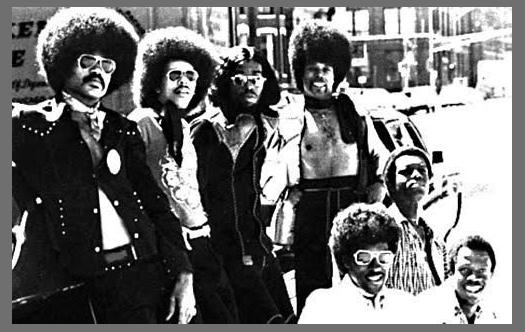
George Clinton's loose collective built a universe of interlocking grooves and theatrical live shows.
If you need a quick frame, put on 'Give Up The Funk' and 'Night Of The Thumpasorus Peoples', one's a straight anthem, the other's pure weirdness, and together they cover the range.
They didn't just play funk; they built whole ecosystems out of it. Songs like 'Give Up The Funk' and 'Flash Light' from the 1975 album Mothership Connection turned the genre into a sci-fi mythology, complete with chanted vocals and Bernie Worrell's synth bass lines. For a stretch in the '70s, they essentially defined what funk could be.
They started in the mid-1950s as the Parliaments, a doo-wop group from New Jersey. By the '70s, with Clinton at the helm, they'd grown into the sprawling Parliament-Funkadelic collective, mixing funk with psychedelic rock and jazz on albums like The Clones of Dr. Funkenstein.
LyroVerse editor's notes are short interpretation guides, not final verdicts. Read our Editorial policy, Corrections policy, and Methodology for the rules behind public reference pages.
Keep it compact: a lyric you come back to, a live memory, or the part of the catalog you would point someone toward first.
Sign in to post the first listener note. Reporting stays open to everyone.