Page type: artist reference
Canonical path: /peao-carreiro-praense
Lyric pages live: 70
Photos available: 1
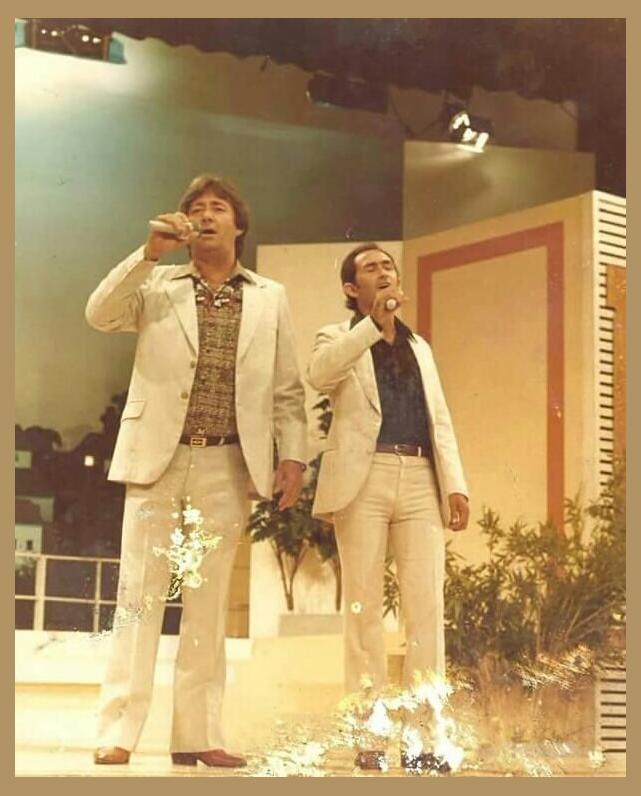
Artist profile
Peão Carreiro e Praense
Luís Raimundo Pereira, known as Peão Carreiro, was born in 1909 in the countryside of Goiás. He taught himself to play the viola and began performing at local...
person
Curated by Ethan Walker
LyroVerse team
Start here
The pages that open this catalog up fastest
These picks surface the stronger lyric pages first instead of dropping you into one endless list.
Artist at a glance
The fast read
70 lyric pages live
1 photo available
Reference snapshot
The facts this page is built to carry clearly
Use this page as the public reference for the artist summary, linked lyric pages, and any LyroVerse editor's note on the page. Listener comments remain user-generated context.
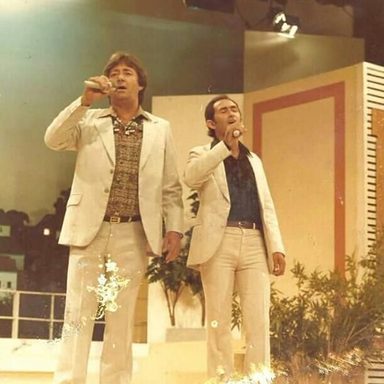
Photos
Open gallery
Visual archive
Real photos only. No placeholder gallery promo.
Songs in focus
Keep moving through Peão Carreiro e Praense
A Maltratada
2 visits
arrow_forward
A Volta
2 visits
arrow_forward
Abismo Da Arte
2 visits
arrow_forward
Adeus Ingrata
2 visits
arrow_forward
Alô Campo Grande
2 visits
arrow_forward
Amargo Delírio
2 visits
arrow_forward
Beija-Flor Da Meia Noite
2 visits
arrow_forward
Coração De Cera
2 visits
arrow_forward
Coração Pede Socorro
2 visits
arrow_forward
Cowboy Brasileiro
2 visits
arrow_forward
Derradeiro Abraço
2 visits
arrow_forward
Ela Só Quer Grandão
2 visits
arrow_forward
Escrava Do Dinheiro
2 visits
arrow_forward
Essa Noite Com Você
2 visits
arrow_forward
Inseto do Amor
2 visits
arrow_forward
Lamento De Carreiro
2 visits
arrow_forward
Background notes
Archive material and source history
Luís Raimundo Pereira, known as Peão Carreiro, was born in 1909 in the countryside of Goiás. He taught himself to play the viola and began performing at local festivals. In 1942, he met accordionist João Batista from Minas Gerais, and they formed a duo that would eventually become Peão Carreiro e Praense.
Their music was rooted in the experiences of rural Brazil, and songs like 'Sertanejo' and 'Lamento De Carreiro' captured that world. In the 1950s, their song 'Rei do Gado' drew criticism from ranchers who felt it portrayed them negatively, leading to legal challenges.
They released albums including 'Viola e Violeiro' in 1956 and 'Zé do Prato' in 1959. Other songs like 'A Volta' and 'Pai, Amigo, Irmão' became part of their catalog, which remained focused on sertanejo traditions.
Quick answers
What this artist page can answer fast
Where should I start with Peão Carreiro e Praense on LyroVerse?
The Start here section opens with A Maltratada, A Volta, and Abismo Da Arte so you can move through the artist's stronger lyric pages first.
How many lyric pages are live for Peão Carreiro e Praense?
LyroVerse currently has 70 visible lyric pages for Peão Carreiro e Praense.
Does Peão Carreiro e Praense have photos on LyroVerse?
Yes. There are 1 photo available, and the preview gallery on this page links to the full photos section.
Artist Community
Open artist hub
Not just lyrics. The conversation around them.
Follow the artist, compare interpretations across songs, and leave corrections that help the catalog stay sharp.
Listener comments
What people are saying
No listener comments on Peão Carreiro e Praense yet.
Keep it compact: a lyric you come back to, a live memory, or the part of the catalog you would point someone toward first.
Sign in to post the first listener note. Reporting stays open to everyone.