Radamés da Gaita
Artist profile

Radamés da Gaita

Radamés da Gaita was born Radamés Gnatalli Júnior in 1957 in Juazeiro do Norte, in Brazil's northeast. He grew up with forró, the region's dance music, and...

album17 lyric pages photo_library1 photo groups20 listeners here now Editor's note live
person Curated by Ethan Walker LyroVerse team
Start here

The pages that open this catalog up fastest

These picks surface the stronger lyric pages first instead of dropping you into one endless list.

Editor's note

Radamés da Gaita, the accordion rebel from Brazil's northeast

A forró musician who mixed rock and samba, then turned to singing about coastal towns.

For his sound, try 'Alegres Mamonas.' For his later style, 'Ilha Comprida: Um Lindo Parque' gives you the coastal sketches he became known for.

He took the accordion, the gaita, from traditional forró into São Paulo's urban scene, blending it with rock and samba on his 1985 album 'Alegres Mamonas.' Later, songs like 'Ilha Comprida: Um Lindo Parque' and 'Bertioga: Uma Prece a Tupã' became detailed portraits of Brazilian coastal towns, full of local color. His lyrics sometimes drew criticism, and he wasn't shy about politics.

Born in Juazeiro do Norte in 1957, he grew up with forró before moving to São Paulo in the 1970s. After 'Alegres Mamonas' brought national attention, he kept recording through the late '80s and early '90s with albums like 'Galope Rasgado.' His later work shifted toward place-name songs about towns like Mongaguá and Caraguatatuba.

edit_note Ethan Walker · LyroVerse team · Apr 19
verified

LyroVerse editor's notes are short interpretation guides, not final verdicts. If something needs a correction, visit About or Contact.

Artist at a glance

The fast read

17 lyric pages live 1 photo available Editor's note live Video on page
Photos

Visual archive

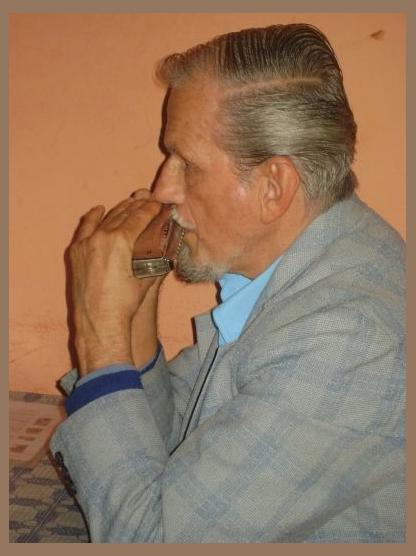
Real photos only. No placeholder gallery promo.

Open gallery
Radamés da Gaita
Background notes

Archive material and source history

Radamés da Gaita was born Radamés Gnatalli Júnior in 1957 in Juazeiro do Norte, in Brazil's northeast. He grew up with forró, the region's dance music, and moved to São Paulo in the 1970s, where he took his stage name from the accordion he played. His sound mixed forró with rock and samba, and his 1985 album 'Alegres Mamonas' brought him national attention.

He kept recording through the late 1980s and early 1990s, putting out albums like 'Galope Rasgado' and 'Romance do Povo.' Some of his later songs, like 'Mongaguá de Verde e Mar' and 'Caraguatatuba: Dias de Cigarra, Noites de Grilo,' turned toward place names and local color. His lyrics sometimes drew criticism from conservative listeners, and he was known for speaking his mind about politics.

Quick answers

What this artist page can answer fast

Where should I start with Radamés da Gaita on LyroVerse?

The Start here section opens with Bertioga: Uma Prece a Tupã, Ilha Comprida: Um Lindo Parque, and Peruíbe: Portal da Juréia so you can move through the artist's stronger lyric pages first.

How many lyric pages are live for Radamés da Gaita?

LyroVerse currently has 17 visible lyric pages for Radamés da Gaita.

Does Radamés da Gaita have photos on LyroVerse?

Yes. There are 1 photo available, and the preview gallery on this page links to the full photos section.

Does LyroVerse have an editor's note for Radamés da Gaita?

Yes. The editor's note on this page is a short LyroVerse team guide, not a final verdict on the artist.

Artist Community

Not just lyrics. The conversation around them.

Follow the artist, compare interpretations across songs, and leave corrections that help the catalog stay sharp.

Open artist hub
0 followers Artist hub stays noindex until the conversations are proven strong
Listener comments

What people are saying

0 comments
Share a short memory or first impression

Keep it compact: a lyric you come back to, a live memory, or the part of the catalog you would point someone toward first.

Sign in to post the first listener note. Reporting stays open to everyone.

No listener comments on Radamés da Gaita yet.