


From child performers to pop-rock evolution, their songs captured a generation's coming-of-age soundtrack.
For their early sound, try "Piloto Automático." For something more reflective, "Dias Iguais" shows their later direction.
Their music documents a specific era of Brazilian youth culture, moving from the innocent harmonies of childhood recordings to more introspective pop-rock as they grew up. Songs like "Piloto Automático" show that shift toward more mature themes while keeping their signature vocal blend. Their catalog serves as a time capsule of what Brazilian teenagers were listening to from the mid-90s through the early 2000s.
They started performing together as young children, releasing "Maria Chiquinha" when Sandy was eight and Junior was six. Their sound evolved through albums like 2001's "Quatro Estações," incorporating more pop-rock elements as they moved into their teenage years. Eventually they pursued separate paths, but their work together remains part of Brazil's pop landscape from that period.
LyroVerse editor's notes are short interpretation guides, not final verdicts. Read our Editorial policy, Corrections policy, and Methodology for the rules behind public reference pages.


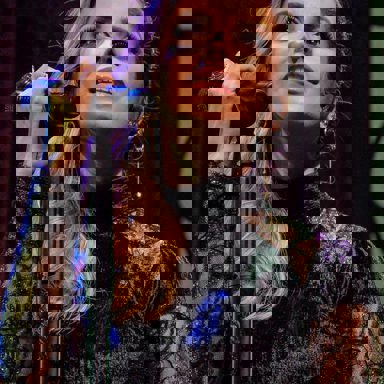
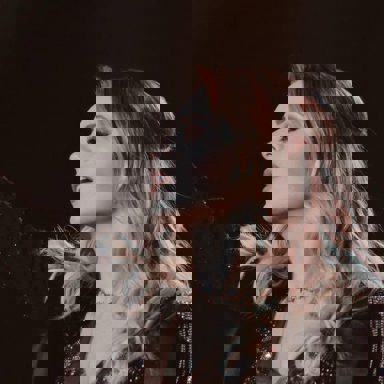



Keep it compact: a lyric you come back to, a live memory, or the part of the catalog you would point someone toward first.
Sign in to post the first listener note. Reporting stays open to everyone.