

Page type: artist reference
Canonical path: /selma-reis
Lyric pages live: 46
Photos available: 3
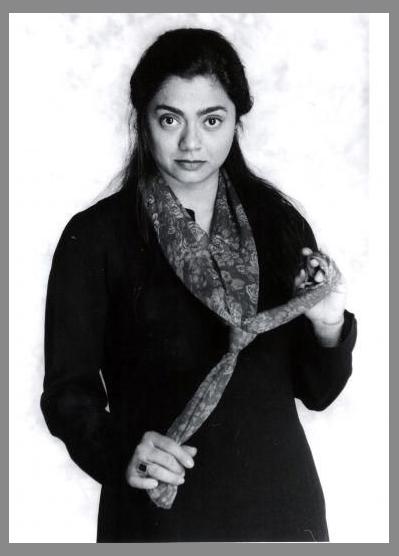
1 / 3
Artist profile
Selma Reis
Selma Reis was born in Lisbon in 1942. Her early music drew from fado and Brazilian rhythms, though she never settled into a single genre. In 1973, she...
person
Curated by Ethan Walker
LyroVerse team
Start here
The pages that open this catalog up fastest
These picks surface the stronger lyric pages first instead of dropping you into one endless list.
Artist at a glance
The fast read
46 lyric pages live
3 photos available
Reference snapshot
The facts this page is built to carry clearly
Use this page as the public reference for the artist summary, linked lyric pages, and any LyroVerse editor's note on the page. Listener comments remain user-generated context.
Photos
Open gallery
Visual archive
Real photos only. No placeholder gallery promo.


Songs in focus
Keep moving through Selma Reis
A Cidade Contra o Crime
2 visits
arrow_forward
Achados e Perdidos
2 visits
arrow_forward
Amanhã Ou Depois
2 visits
arrow_forward
Bailarina do Ar
2 visits
arrow_forward
Bastidores
2 visits
arrow_forward
Beco do Mota
2 visits
arrow_forward
Deságua
2 visits
arrow_forward
Emoções Suburbanas
2 visits
arrow_forward
Estrelas De Outubro
2 visits
arrow_forward
Fliperama
2 visits
arrow_forward
Foi Deus
2 visits
arrow_forward
Galope
2 visits
arrow_forward
Geraldinos e Arquibaldos
2 visits
arrow_forward
Gonzaga
2 visits
arrow_forward
Grito de Alerta
2 visits
arrow_forward
Jabuti, Jatobá
2 visits
arrow_forward
Background notes
Archive material and source history
Selma Reis was born in Lisbon in 1942. Her early music drew from fado and Brazilian rhythms, though she never settled into a single genre. In 1973, she released 'Se Bastasse Uma Canção,' a song that caught on during a tense political period in Portugal. It wasn't a grand crossover moment, but it gave her a steady audience.
She kept recording after that, putting out albums that mixed folk, pop, and jazz without much fuss. Songs like 'O Preço De Uma Vida' and 'Por Toda a Minha Vida' are typical of her style, direct, melodic, and a little worn-in. She was known for speaking up about social issues, which sometimes brought her more attention than her music did.
Reis never became a major star outside Portugal, but she built a catalog that feels personal rather than polished. You can hear it in tracks like 'O Que É o Amor?' and 'Foi Deus', there's a plainness to her delivery that makes the sentiment stick.
Quick answers
What this artist page can answer fast
Where should I start with Selma Reis on LyroVerse?
The Start here section opens with A Cidade Contra o Crime, Achados e Perdidos, and Amanhã Ou Depois so you can move through the artist's stronger lyric pages first.
How many lyric pages are live for Selma Reis?
LyroVerse currently has 46 visible lyric pages for Selma Reis.
Does Selma Reis have photos on LyroVerse?
Yes. There are 3 photos available, and the preview gallery on this page links to the full photos section.
Artist Community
Open artist hub
Not just lyrics. The conversation around them.
Follow the artist, compare interpretations across songs, and leave corrections that help the catalog stay sharp.
Listener comments
What people are saying
No listener comments on Selma Reis yet.
Keep it compact: a lyric you come back to, a live memory, or the part of the catalog you would point someone toward first.
Sign in to post the first listener note. Reporting stays open to everyone.