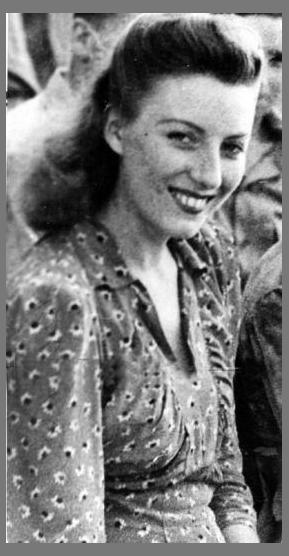

Her voice became a symbol of comfort and resilience during World War II.
For the full picture, start with 'We'll Meet Again' and 'Harbour Lights.' Those two songs frame what she meant to people.
When 'We'll Meet Again' broke through in 1939, it wasn't just a hit, it became a wartime anthem. Her recordings like 'The Bells Of St. Marys' and 'Lili Marlene' provided a steadying presence for troops and civilians alike. That voice carried a specific kind of morale through the airwaves when it was needed most.
She started performing professionally at seven, but the war years defined her public role. After becoming the Forces' Sweetheart, she recorded over a thousand songs and even performed for troops in Nazi Germany in 1944, which drew some criticism at the time.
LyroVerse editor's notes are short interpretation guides, not final verdicts. Read our Editorial policy, Corrections policy, and Methodology for the rules behind public reference pages.
Keep it compact: a lyric you come back to, a live memory, or the part of the catalog you would point someone toward first.
Sign in to post the first listener note. Reporting stays open to everyone.