Page type: artist reference
Canonical path: /virginia-rosa
Lyric pages live: 51
Photos available: 1
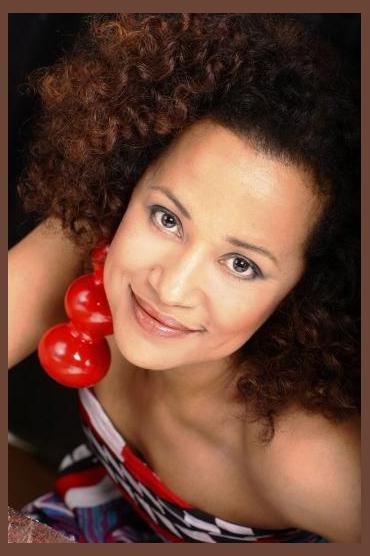
Artist profile
Virgínia Rosa
Virgínia Rosa grew up in Caruaru, Pernambuco, where the local sounds of forró, baião, and xaxado shaped her musical foundation. In the early 1960s, she became...
person
Curated by Ethan Walker
LyroVerse team
Start here
The pages that open this catalog up fastest
These picks surface the stronger lyric pages first instead of dropping you into one endless list.
Artist at a glance
The fast read
51 lyric pages live
1 photo available
Reference snapshot
The facts this page is built to carry clearly
Use this page as the public reference for the artist summary, linked lyric pages, and any LyroVerse editor's note on the page. Listener comments remain user-generated context.
Photos
Open gallery
Visual archive
Real photos only. No placeholder gallery promo.

Songs in focus
Keep moving through Virgínia Rosa
A Balada do Cachorro Louco
2 visits
arrow_forward
A Flor
2 visits
arrow_forward
A Ponte
2 visits
arrow_forward
A Voz do Coração
2 visits
arrow_forward
Amado Samba
2 visits
arrow_forward
Amor de Índio
2 visits
arrow_forward
Ao Crepúsculo
2 visits
arrow_forward
As Rosas Não Falam
2 visits
arrow_forward
Até a Lua
2 visits
arrow_forward
Beleza Brutal
2 visits
arrow_forward
Cacilda
2 visits
arrow_forward
Dindi
2 visits
arrow_forward
Fado Morno
2 visits
arrow_forward
Folhas no Ar
2 visits
arrow_forward
Kalú
2 visits
arrow_forward
Madrugada
2 visits
arrow_forward
Background notes
Archive material and source history
Virgínia Rosa grew up in Caruaru, Pernambuco, where the local sounds of forró, baião, and xaxado shaped her musical foundation. In the early 1960s, she became the lead vocalist for Trio Nordestino, a band that included Zé Dantas on accordion and Adalto Araújo on zabumba.
Her breakthrough came in 1965 when Trio Nordestino released "São João Da-ra-rão," a song that became an anthem for the annual celebration it's named after. The track propelled Rosa to national recognition and remains her most enduring work, alongside other songs like "A Flor" and "Mãe Preta."
Rosa recorded throughout the following decades, with albums like "Lá no Sertão" in 1969 and "Viva o Forró" in 1985. Her voice carried the traditions of northeastern Brazil, even as she navigated a music industry that was often resistant to women artists.
Quick answers
What this artist page can answer fast
Where should I start with Virgínia Rosa on LyroVerse?
The Start here section opens with A Balada do Cachorro Louco, A Flor, and A Ponte so you can move through the artist's stronger lyric pages first.
How many lyric pages are live for Virgínia Rosa?
LyroVerse currently has 51 visible lyric pages for Virgínia Rosa.
Does Virgínia Rosa have photos on LyroVerse?
Yes. There are 1 photo available, and the preview gallery on this page links to the full photos section.
Artist Community
Open artist hub
Not just lyrics. The conversation around them.
Follow the artist, compare interpretations across songs, and leave corrections that help the catalog stay sharp.
Listener comments
What people are saying
No listener comments on Virgínia Rosa yet.
Keep it compact: a lyric you come back to, a live memory, or the part of the catalog you would point someone toward first.
Sign in to post the first listener note. Reporting stays open to everyone.