Zaia Freire
Artist profile

Zaia Freire

Zaia Freire was born in Rio de Janeiro in 1957 and started playing violin at age five. Her debut album came out in 1978, with 'A Moça Que Passa' becoming her...

album7 lyric pages photo_library2 photos groups19 listeners here now Editor's note live
person Curated by Ethan Walker LyroVerse team
Start here

The pages that open this catalog up fastest

These picks surface the stronger lyric pages first instead of dropping you into one endless list.

Editor's note

Zaia Freire, a Rio violinist with bossa nova roots

Her 1978 debut introduced 'A Moça Que Passa,' a song that stuck around for decades.

If you're new to her work, 'A Moça Que Passa' is the obvious place to start. 'Meu Baião' gives you a good sense of her folk side.

Freire's music pulls from Brazilian folk and bossa nova, with clear nods to João Gilberto and Elis Regina. She worked with musicians like Celso Fonseca on guitar and Paulo Moura on sax, and recorded tracks like 'Motivo de Samba' and 'Bloco do Desatino.' Her sound feels grounded in that Rio tradition without trying to reinvent it.

She started playing violin at five and put out her first album in 1978. Later records like 'No Balanço do Batuque' in 1981 and 'O Canto da Cigarra' in 1986 kept her recording, and she was still putting out live material in 2005.

edit_note Ethan Walker · LyroVerse team · Apr 20
verified

LyroVerse editor's notes are short interpretation guides, not final verdicts. If something needs a correction, visit About or Contact.

Artist at a glance

The fast read

7 lyric pages live 2 photos available Editor's note live Video on page
Photos

Visual archive

Real photos only. No placeholder gallery promo.

Open gallery
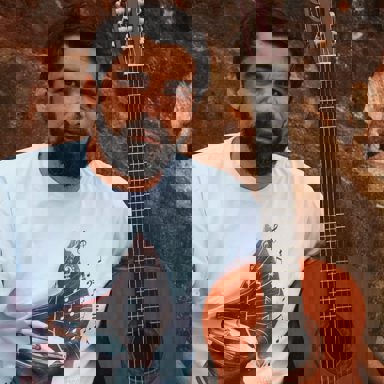
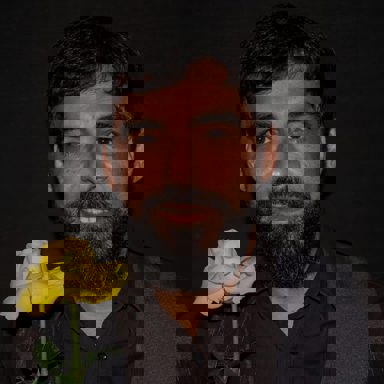
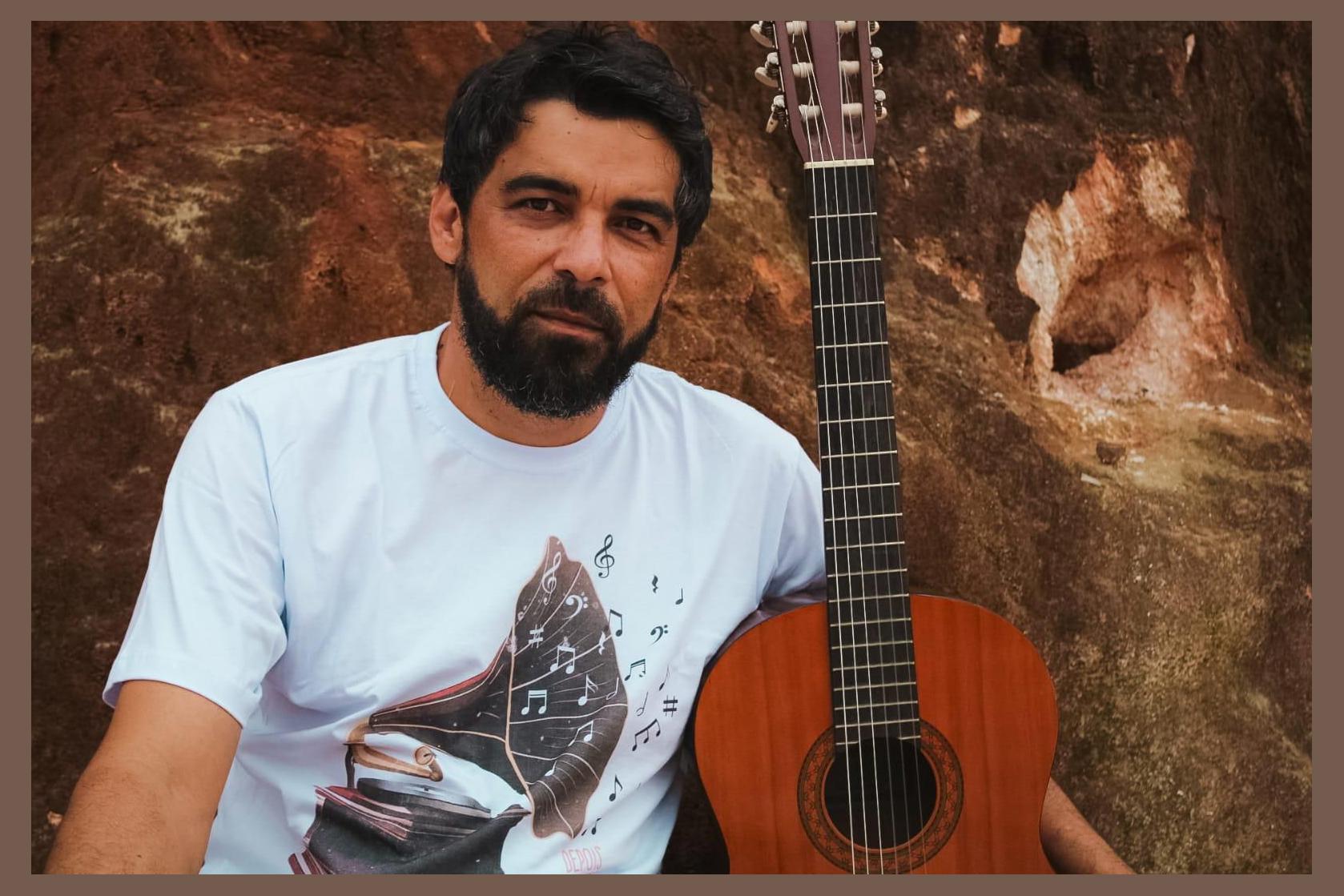
Zaia Freire Zaia Freire
Background notes

Archive material and source history

Zaia Freire was born in Rio de Janeiro in 1957 and started playing violin at age five. Her debut album came out in 1978, with 'A Moça Que Passa' becoming her most recognizable song. She also recorded tracks like 'Motivo de Samba' and 'Bloco do Desatino'.

Her music drew from Brazilian folk and bossa nova, with influences from João Gilberto and Elis Regina. She worked with musicians like Celso Fonseca on acoustic guitar and Paulo Moura on saxophone, and collaborated with artists including Gilberto Gil and Caetano Veloso.

Later albums included 'No Balanço do Batuque' in 1981 and 'O Canto da Cigarra' in 1986. She kept recording into the 2000s, with a live album in 2005.

Quick answers

What this artist page can answer fast

Where should I start with Zaia Freire on LyroVerse?

The Start here section opens with A Moça Que Passa, Meu Baião, and Motivo de Samba so you can move through the artist's stronger lyric pages first.

How many lyric pages are live for Zaia Freire?

LyroVerse currently has 7 visible lyric pages for Zaia Freire.

Does Zaia Freire have photos on LyroVerse?

Yes. There are 2 photos available, and the preview gallery on this page links to the full photos section.

Does LyroVerse have an editor's note for Zaia Freire?

Yes. The editor's note on this page is a short LyroVerse team guide, not a final verdict on the artist.

Artist Community

Not just lyrics. The conversation around them.

Follow the artist, compare interpretations across songs, and leave corrections that help the catalog stay sharp.

Open artist hub
0 followers Artist hub stays noindex until the conversations are proven strong
Listener comments

What people are saying

0 comments
Share a short memory or first impression

Keep it compact: a lyric you come back to, a live memory, or the part of the catalog you would point someone toward first.

Sign in to post the first listener note. Reporting stays open to everyone.

No listener comments on Zaia Freire yet.