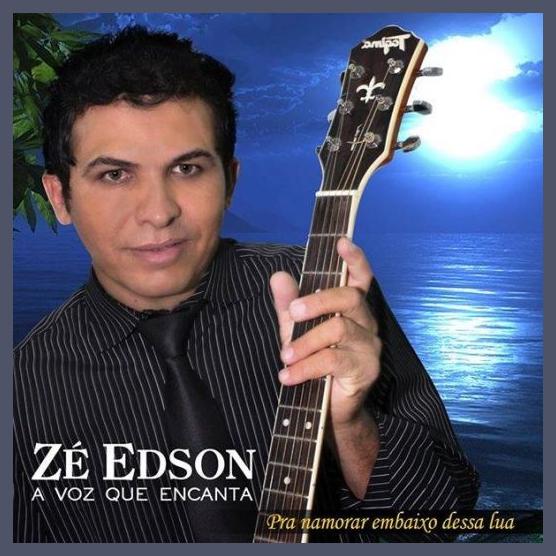
His 1972 hit "A Morena do Cabelo Longo" introduced a voice that blended samba, forró, and MPB across three decades.
For a quick sense of his range, listen to "Eu Não Sou Vaqueiro" for the upbeat rhythm and then "Canção de 15 Anos" for something more tender. Both feel like they came from the same place.
Zé Edson's music mattered because it came from the streets of Itabuna, Bahia, and never lost that local feel even when it traveled across Brazil. Songs like "Eu Não Sou Vaqueiro" and "Dois Apaixonados" show how he could move from the rhythmic drive of forró to more intimate, emotional territory without losing his voice. He worked with musicians like guitarist Gilberto Mendes and bassist Jorge de Paula, but his outspoken approach kept him somewhat outside the mainstream industry circles.
He started performing locally in Bahia, drawing from samba and forró traditions. The 1972 single "A Morena do Cabelo Longo" became a national hit and launched a recording career that spanned the 1970s and 1980s, with over 30 albums including Coração Cigano and Vida Noturna.
LyroVerse editor's notes are short interpretation guides, not final verdicts. Read our Editorial policy, Corrections policy, and Methodology for the rules behind public reference pages.
Keep it compact: a lyric you come back to, a live memory, or the part of the catalog you would point someone toward first.
Sign in to post the first listener note. Reporting stays open to everyone.